Roman Candle Magazine

    • Info
    • Interview Archive
    • Photo Overflow
    • Portraits
    • Stockists
    • Zine Archive
    • Films
  • Shop
  • Scorsese on Scorsese

  • Great Area – Good Coding

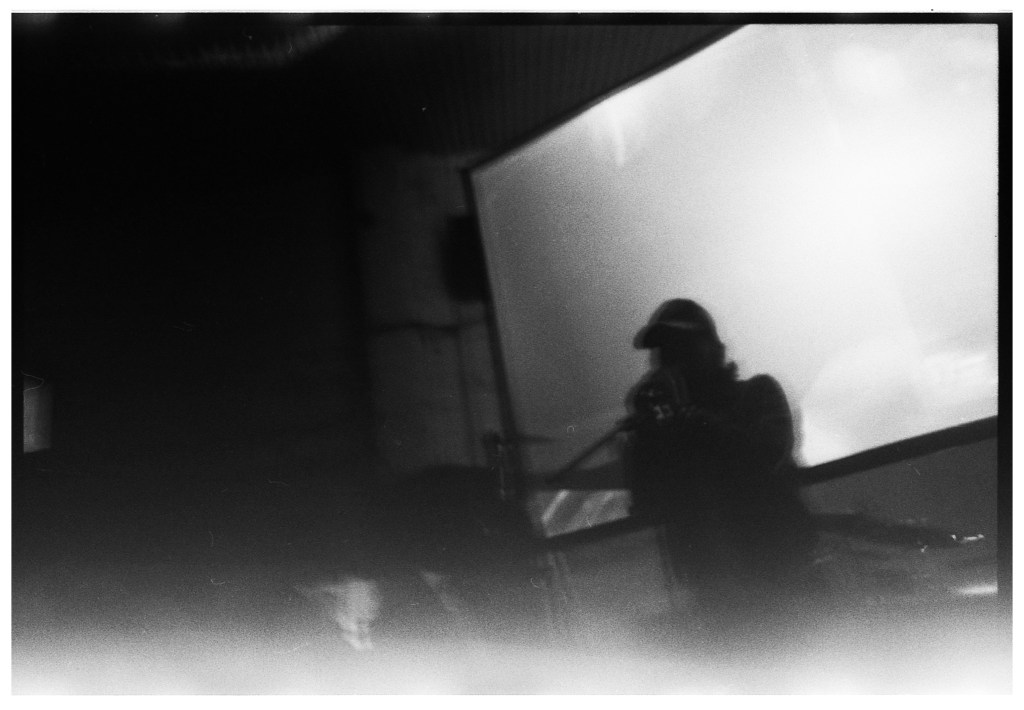
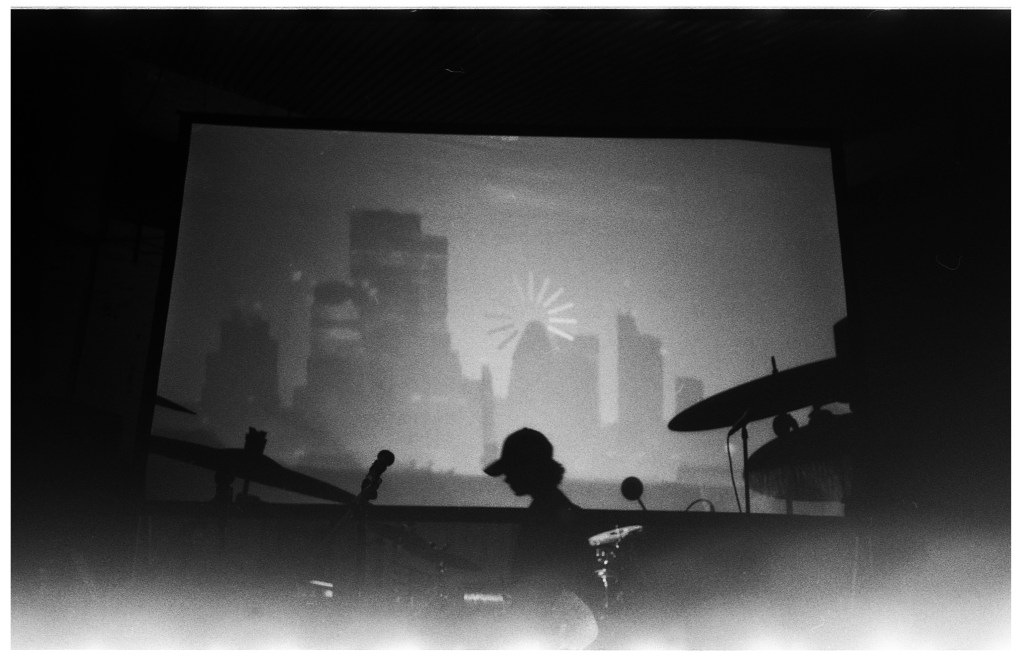
    I saw great Area a few months’ back at the White Hotel. For maybe 25 minutes they sang their short, straight-up songs over a backing track while handicam footage presumably filmed in some far off eastern metropolis was projected onto a huge sheet. I know that sometimes people greedily crave the ‘full band experience’, but for a project as mysterious and personal as Great Area, this audio/visual set-up was perfect.

    ANyway, Good Coding is their new album courtesy of Lolina’s Relaxin’ Records. Drag the files over onto your Creative Zen MP3 player then take a walk around the city for a while.

    Listen here.

  • Shadow Moses

  • Demon Boyz

    Demon Boyz – ’88 – Broadwater Farm. Photos by Normski.

  • The Attitude Era

    May 14, 2025

  • Nourished by Time – Max Potential

    May 7, 2025
  • Live at the Budokan

    May 7, 2025

  • The Dancing Outlaw

    May 7, 2025
  • Head Down x2

    May 7, 2025
  • The Whistling in the Dark – Online Now

    A Super 8 visual document from World Force Artifacts.

    Filmed from 2014 – 2022. Featuring Gaz Hunt, Addy Snowdon, Clarky, Wozzy, Sandy, Jambul, Sam Waller, Marv, Leo McKenna, Tommy Gore, Jim Newrick, Tim Evans, Feebz, Loz Taylor, Fathead, Minney, Tommy C, Shanky, Cookie and Dan Cox.

    Thanks to Jack Dalziel, Luke Waller and Tom Hopkin for their audio contributions.

    DVDs available via Central Library here.

  • Mark William Lewis and Great Area at the White Hotel

  • The Whistling in the Dark

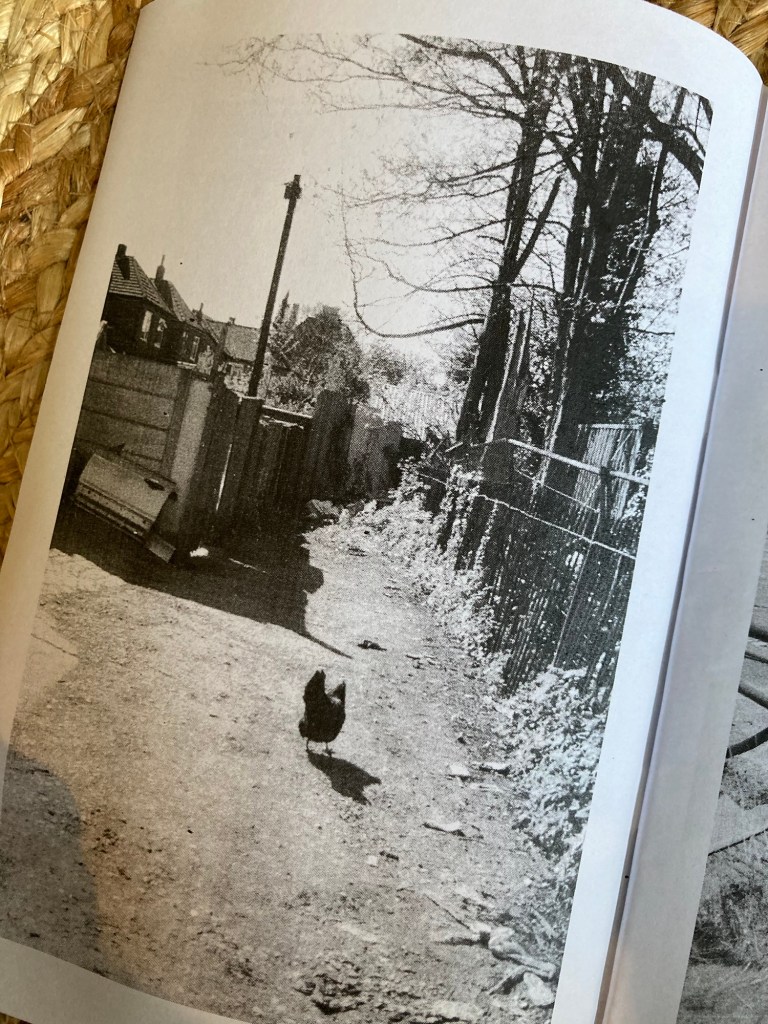
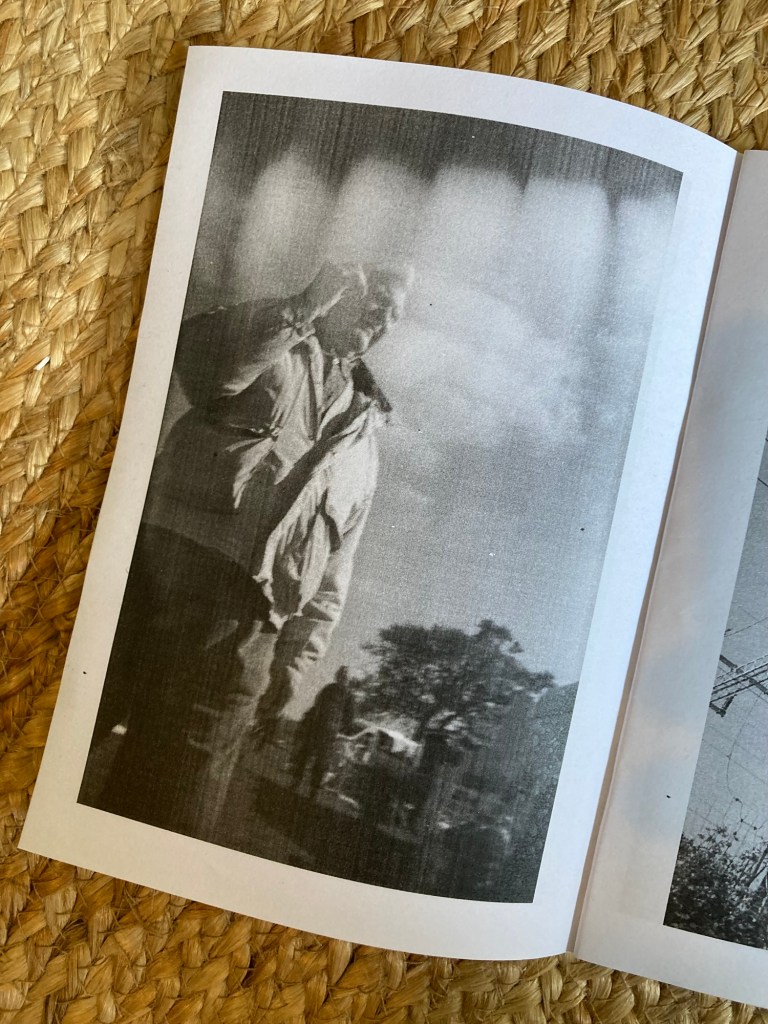
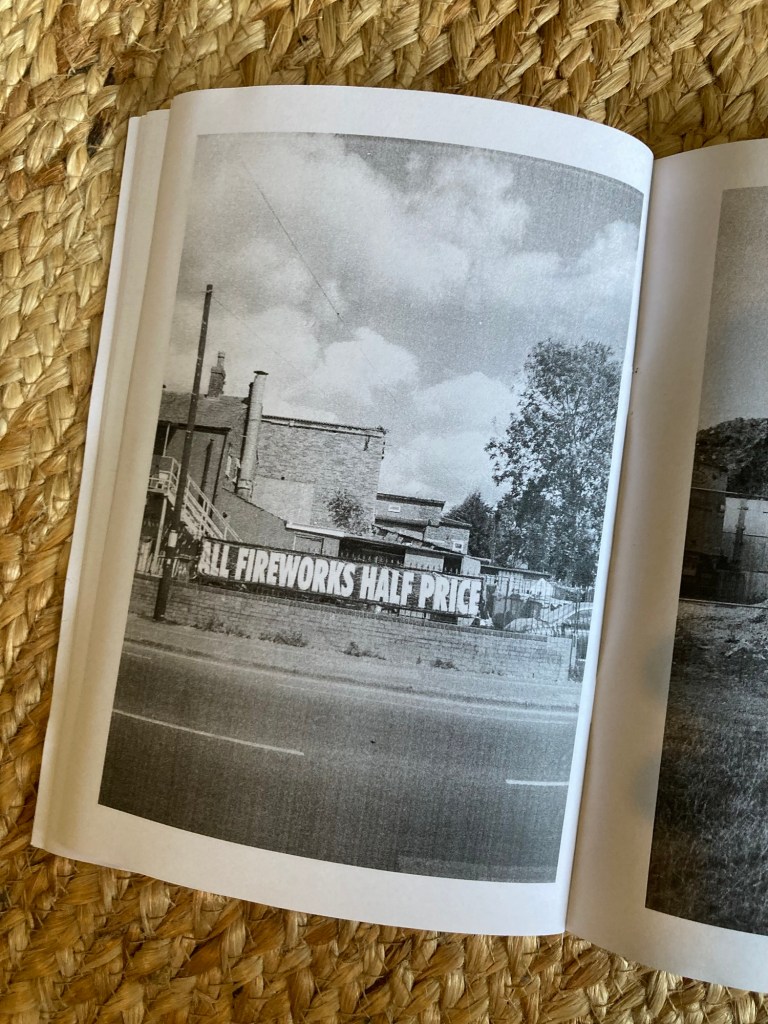
    The Whistling in the Dark is available now on DVD via Central Library. This is a 22 minute Super 8 video filmed on and off from around 2014 to 2022.

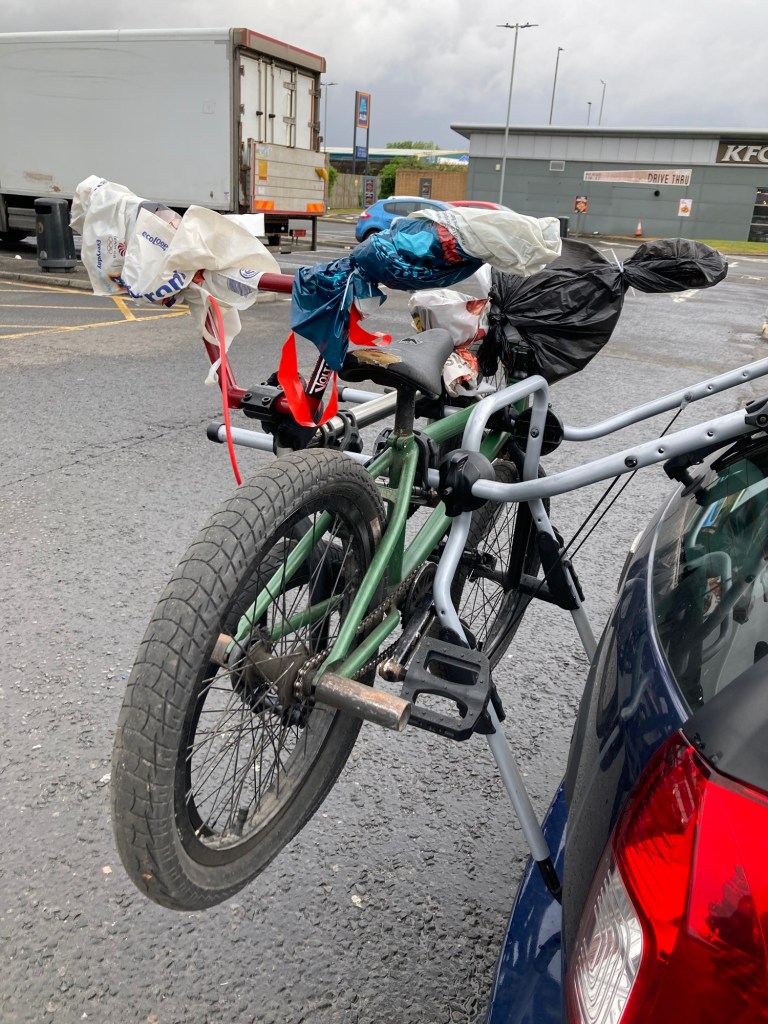
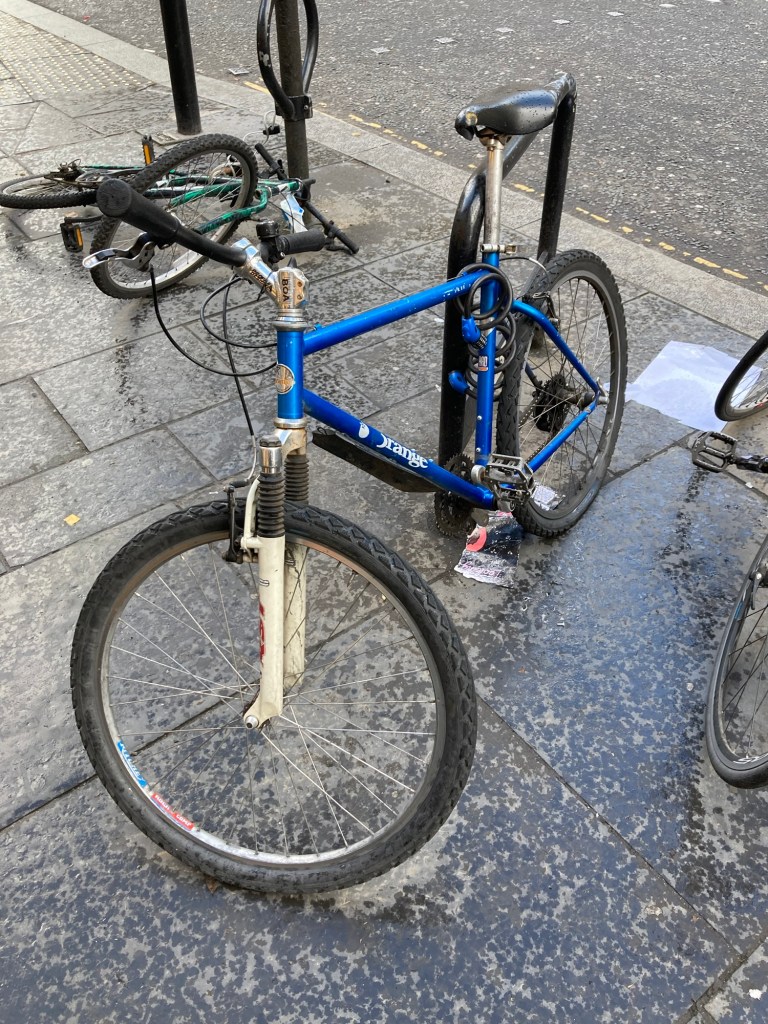
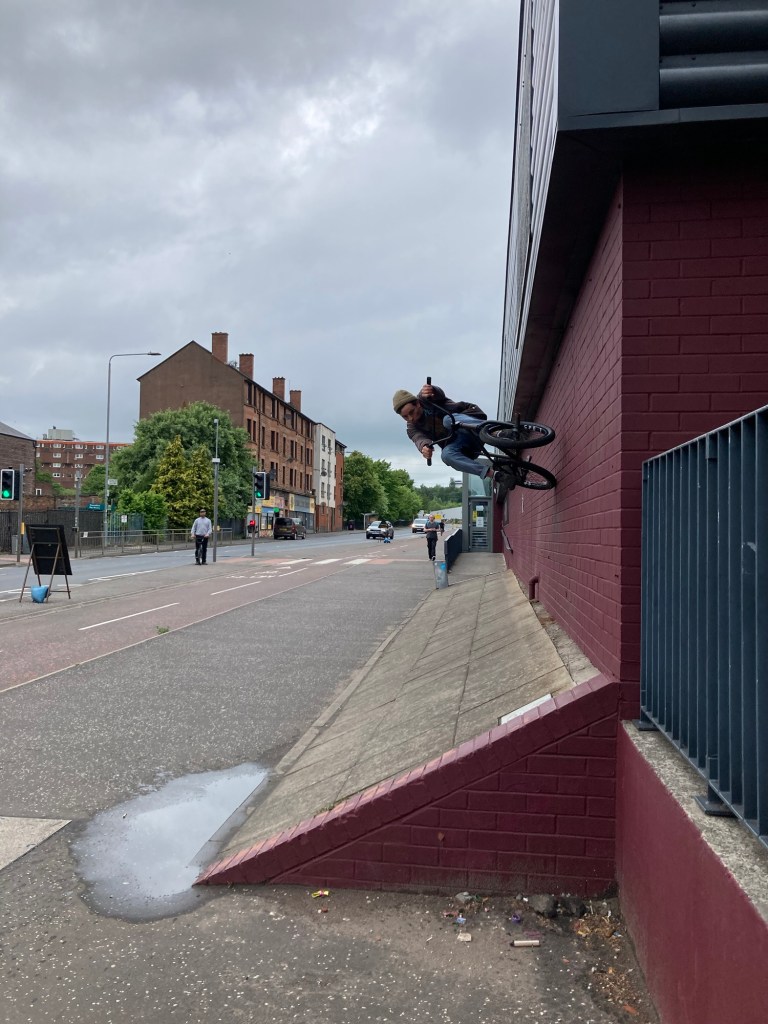
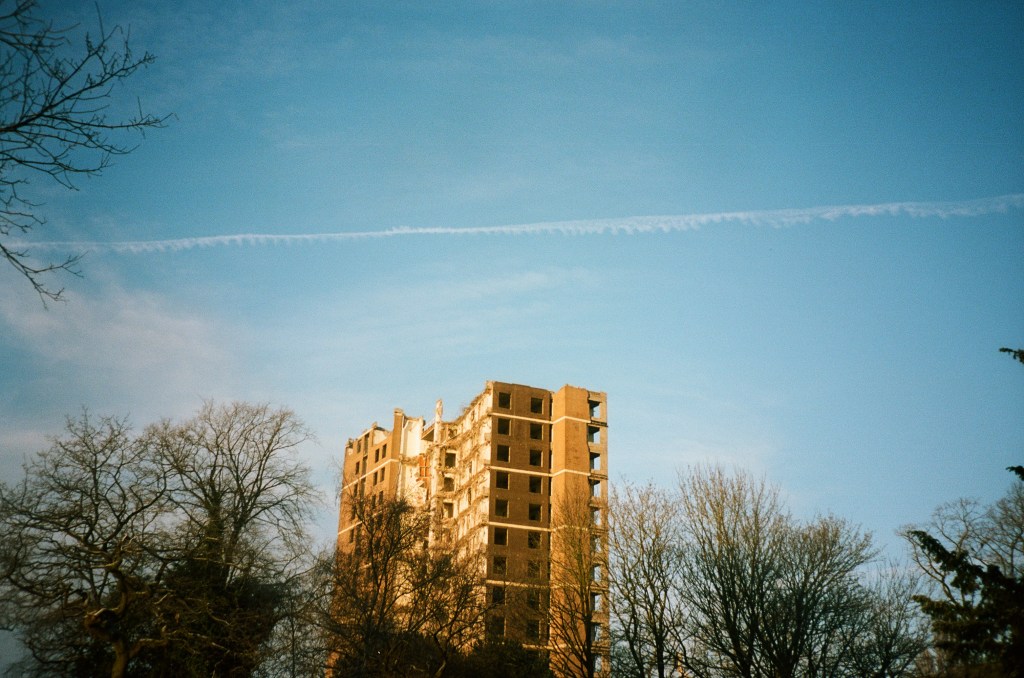
    Suppose it’s probably ‘a riding video’, but it’s also about buildings, cranes, dogs, cats, scrap cars, trains, sheltering from the rain, cheap holidays to Europe, life in northern cities and the occasional escape to the wilderness.

    Featuring Gaz Hunt, Addy Snowdon, Clarky, Wozzy, Sandy, Jambul, Sam Waller, Marv, Leo McKenna, Tommy Gore, Jim Newrick, Tim Evans, Feebz, Loz Taylor, Fathead, Minney, Tommy C, Shanky, Cookie and Dan Cox.

    Thanks to Jack Dalziel, Luke Waller and Tom Hopkin for their audio contributions.

    Available here.

  • The London Perambulator

    Vital viewing for anyone who enjoys spending their days wandering down canal paths and gazing at concrete fenceposts.

  • Los Thuthanaka – Self Titled

    A true unmastered masterpiece courtesy of Chuquimamani-Condori and Joshua Chuquimia Crampton. The audio equivalent of licking a battery.

    Listen here…

  • The Whistling in the Dark

    Showing my Super 8 film The Whistling in the Dark as the warm-up act for Clarky’s latest Strangeways masterpiece in a few weeks. Roughly a decade of lurking around on bicycles, compressed into just over 20 minutes, shot on a camera from the early 80s. I’ll be glad to have this thing finally off my computer.

    Saturday 15th March, Cultplex cinema, Manchester – From 7pm.

  • (SPN) – Segni Particolari Nessuno

    Not sure if it still exists, but there used to be something in Manchester called ‘Flu Camp’ where you could sign up for being given the flu and then monitored for a couple of weeks in a closed-off ‘Big Brother House’ style environment. From memory I think they’d give you two grand for this ordeal.

    Anyway, this new tape from Italy’s (SPN) gives a similar woozy heavy-headed sensation. There’s no big cash payout at the end, but it’s an enjoyable grogged-out ride. Stock up on Lemsip and embrace the zonk.

    Tapes here.

    Listen here.

  • Klein – Thirteen Sense

    New noise from Klein. Been listening to this tape a lot over the last week and I can confirm it’s pretty intense.

    Listen here.

    Tapes here.

  • Nick Sanders in Manchester, January 2025

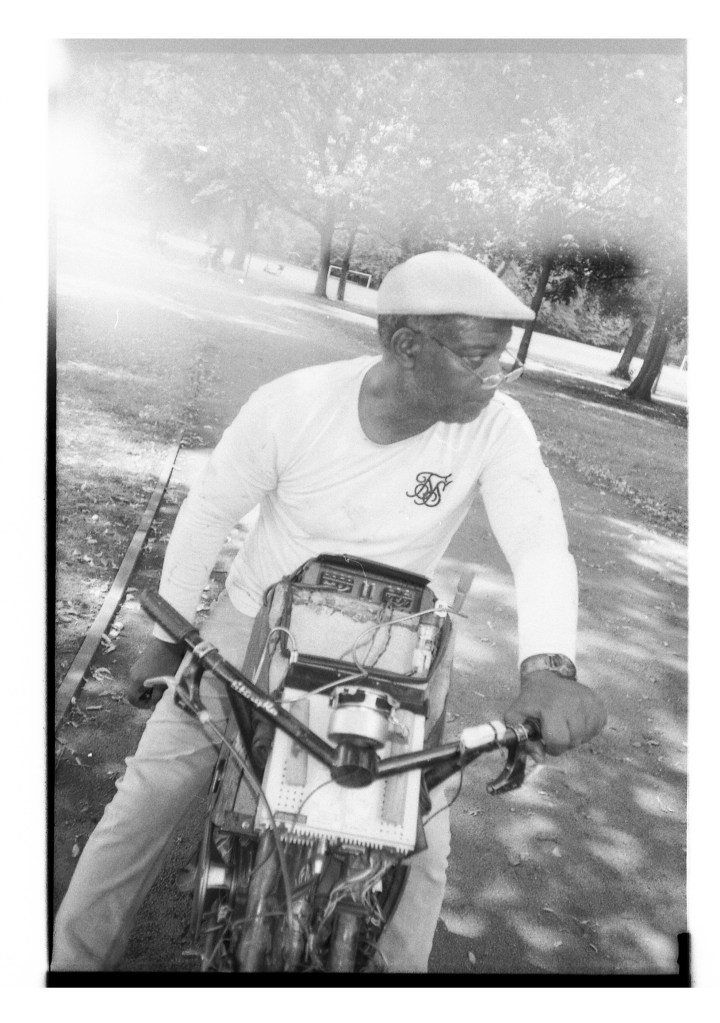
    Nick Sanders on his barge in Manchester a few weeks ago. Since the early 1980s this cyclist, motorbike rider, author and narrowboat connoisseur has been revolutionising round-the-world adventure, adding a serious dose of speed to an often free-wheeling endeavour. 

    In 1981 at the age of 23 he set off from his home in Gamesley on the outskirts of Greater Manchester to ride his bicycle around the globe in just 138 days.

    In 1984 he rode around the coast of Britain in a mere 22 days (setting a record that over forty years later still hasn’t been beaten) while a year later he went even further, outpacing Phileas Fogg to ride around the world in 79 days.

    In the early 90s he traded pedals for petrol to become the fastest man to circumnavigate the globe, lapping the earth in 31 days—a time he whittled down even further in 2005 when he did it in just 19 days.

    Read my interview with the man himself over on the Outsiders website…

  • Voice Actor and RenzNiro at the White Hotel

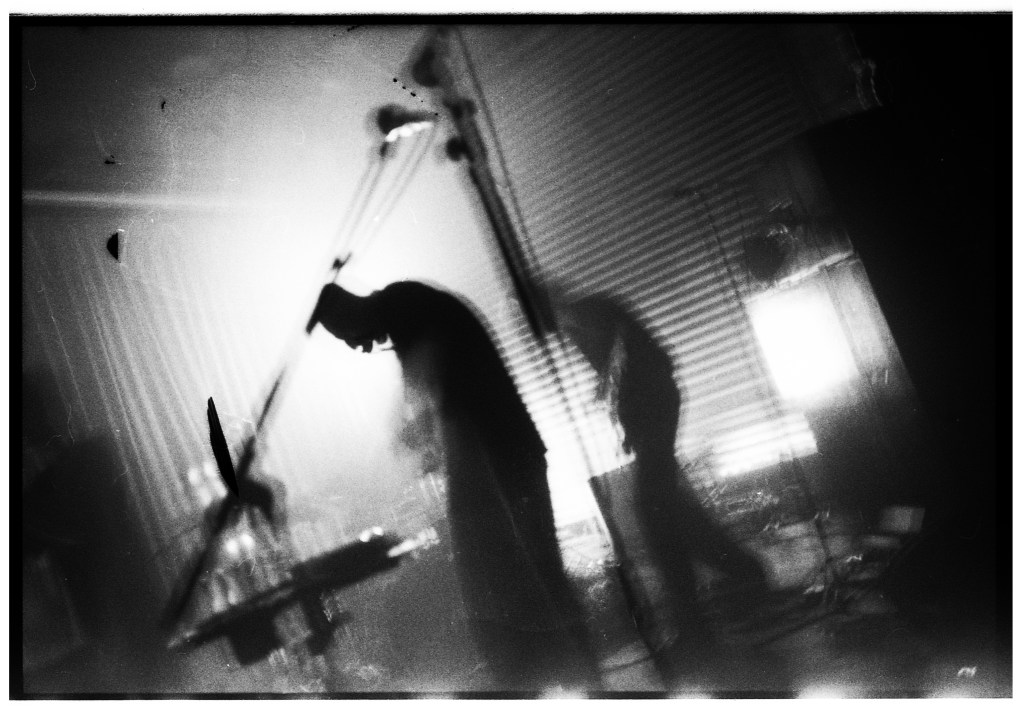
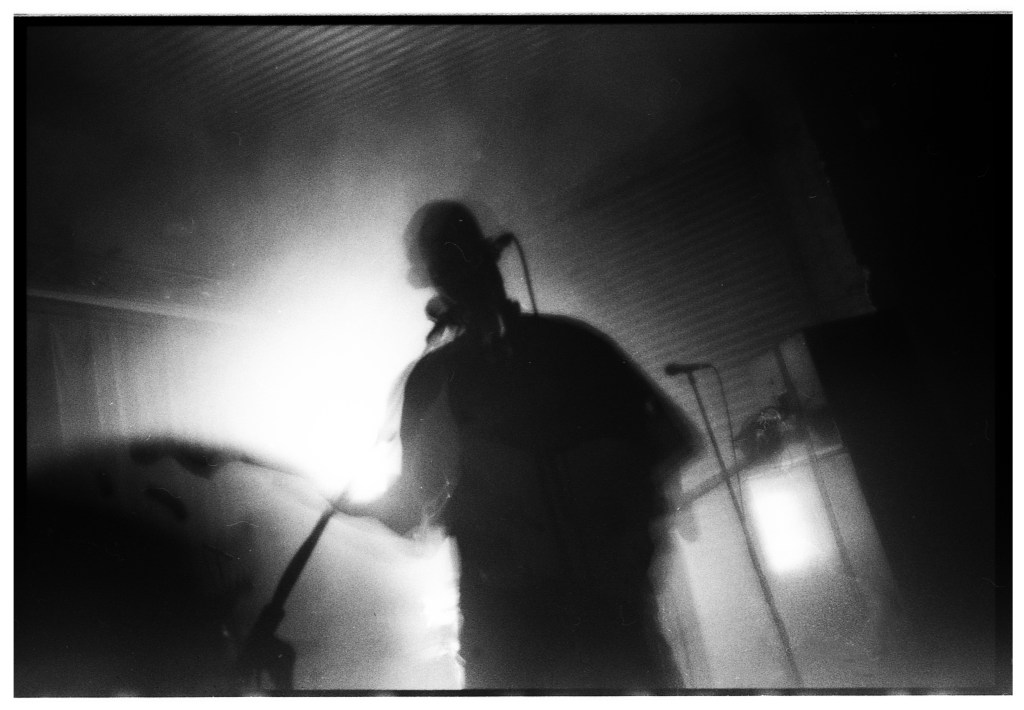
    How do you translate a four-and-a-half hour audio offload of rainy day bus ride headphone music into the live setting? The answer is simple… Get a big sheet. Hang it down from the ceiling of an old car garage. Project video footage of container yards and Tottenham streets onto it. Stand behind it and speak slowly over the music.

    Listen to the new Voice Actor record here.

  • An Interview with Dick Jewell

    No idea is new. Chances are whatever groundbreaking idea blurts its way into your brain, the man named Dick Jewell already did it years ago and did it very well.

    Make a book of found photos? Dick Jewell did it.

    Film vital Super 8 documents of underground subcultures? Dick Jewell did it.

    Start a record label? Dick Jewell did it.

    Capture the London club scene with regimented precision? Dick Jewell did it.

    Catalogue the fads and movements that find their way onto the internet? Dick Jewell did it.

    Answer some questions for an interview in Roman Candle Magazine? Yep, you best believe Dick Jewell done did it…

    The first thing I wanted to ask you about was your book of found photos which you made in the late 70s. How did that come about? What was it that drew you to hoarding these images?

    Whoa, two questions in one; I’d started the salvage process in the summer of 1968, during my photographic pursuit of creating my “Passport Approved Photo Album’, a project that carried on for a few years, using the booths that output four black and white photos in a strip. Basically, none of the photos I was taking would be approved by the Passport Office, for instance referencing artist’s like Christo by posing behind the background curtain or Leonardo with a life size cutout of Mona Lisa in the booth.

    I was regularly visiting a booth on Brighton seafront by the pier, where Mr Archer, who ran a café there, also installed one of the (then new) square format booths under the arches, and that’s when I became intrigued that people would put their 2X10p coins in the slot, pose and tear up the resulting pic, I was interested in the notion of not being happy with the photo of yourself, ie, having posed yourself in the mirror when the red light was on, and being captured by the machine and not a photographer.

    Found Photos, 1978

    What was your process for finding the photos? Was there a particular booth you frequented, or were they collected from a few? 

    At the time I was also regularly using another booth at the station and also picking up discarded ones there, and after my album discontinued, as the strip booths disappeared being replaced by the square ones, I still carried on with the salvage process over the coming years, I found booths, mainly at London Underground Stations, though not exclusively. For instance there’s a couple in the book from Charles de Gaulle airport, I even found one of a lady in Harrods. 

    With torn ones I collected as much of the pieces I found lying around and then washed them in the bath at home and reassembled them, like doing multiple jigsaw puzzles at the same time without knowing what the outcome would be, other pics merely bore the scars of being burnt or trodden on. The unscathed photos I mainly found thrown on top of, or behind, the booth, or in a couple of cases wedged in the display panel of the booth.

    Did you start to notice similarities or common themes in the discarded photos? Why were these ones left behind?

    The theme was there for me purely in the fact they were all shot by and discarded at the booth, this was way before the digital age of selfies and the memetic effect of people sharing pics online. I could surmise that some pics were discarded because maybe the subject was actually taking four identical shots for a passport and they couldn’t face living with the outcome, maybe others because they hadn’t wound the seat to an appropriate height, but I really got into the narratives of the four pics, often featuring couples together.

    Found Photos, 1978

    How hard was it to self-publish a book back then? I can’t imagine it was particularly straightforward.

    Definitely not straightforward. I got a place as a student in the RCA print dept where they had an offset litho machine—the good news was they had technicians to operate it and make the plates, but the rest was my hands on, getting the paper, producing the artwork, guillotining, paginating, then taking the pages to a firm for perfect binding and slipping the covers on.

    Now it seems like there’s a bit of interest in found photography—and people at least have an understanding of what it is—but what did people think of it back in the late 70s? How did people react?

    I find the term found photos gets used very loosely these days, even referring to images researched online, purchased etc—where I don’t consider them ever having been lost; back in the 70’s it was pretty much unheard of and my book received a strong reaction. 

    When I dropped it out, it initially got a half page article in the Evening Standard, then among other revues, a couple of months later, Martin Schouten wrote a piece for HP magazine in Holland, by which time I’d sold all 500 copies, and it prompted me to print a revised edition, adding more photos that I’d found since publishing and adding his piece ‘The Secret of the Discarded Photograph’ as a forward. 

    Then the next year, 1982, shows ensued exhibiting the photos, initially ‘Instant Fotographie’ at the Stedelijk Museum in Amsterdam and then Reykjavík, and then Künstler Photographie in Hamburg, so word definitely got out about it. In 86 I was contacted by Centre National de la Photographie in Paris who wanted to include them in a show named Identitiés, and they asked me if I also had any other similar work for them to exhibit. I mentioned that I had 300 American Tobacconists M-Z and they said they’d be up for showing them too. 

    300 American Tobacconists M-Z – 1980.

    What was that?

    Putting this piece together took time, I’d initially found them on the street in New York, they’d been dumped, stuck onto Rolodex cards, by some bureaux Americans had to register with to be a tobacconist. I remember well, when I spotted them and had started looking through them, I could feel rain starting to fall, and that was what had prompted me to grab them, as I hadn’t finished looking through them and they were about to get drenched, and so naturally they had ended up back in London with me; it took me time to put together for France because I was now faced with producing a montage of them in four sections (for a size to ship them) that would fit seamlessly together as one piece. I was glad to do the piece as apart from photobooth pics in it, the files seemed to convey a complete history of portrait photography up to that time, with everything from airbrushed studio shots to Polaroids to family photos with others faces scrubbed out etc.

    Just thinking about it now, isn’t there a character in that film Amelie who collects photo-booth snaps? Was he ripping you off? 

    Totally ripped off: a few years before I’d been filmed for a documentary about the book and they’d asked me if they could shoot me out and about finding photos, so we’d gone to the booth at Earls Court station. They were filming me clambering on top of the booth collecting photos whilst my girlfriend was having a session inside it, when this bloke came over to ask me what was going on. It turned out he was the photobooth’s technician, so I showed him the book and he stopped at a double page spread of two photos of the same guy, and says, “I know him, he used to fix the booths at East Croydon!” He was correct in the location that I’d found them, and it now made total sense to me as to why there were two of them, the guy’s attitude in the pics and how they’d ended up thrown onto the pavement, of which the surface had been embossed by people walking on them before I’d found them.

    How did all this sit with your own photography work? Was that something you were working on at the same time?

    I’d been wearing a 35mm camera round my neck since my teens, mainly shooting people but at the same time loved looking at every type of photography, from books and magazines to advertising hoardings, and I’d got into the semiotics of images, which had led me into making photolitho narratives with images, to encourage people to think about what they were looking at; sometimes I’d do large editions and fly post them at bus stops and walls around London, so printing the Found Photos book definitely fitted in with my pursuits then.

    What else were you doing around the time of the Found Photo book? Were you doing a day job too? Was being ‘an artist’ sort of an option for a young person in the late 70s?

    Being an artist was definitely an option for someone in the late seventies—rents were minimal, and you could sign on for housing benefit, but I found it more beneficial to squat, in terms of having space to live and work. 

    I’ve never done a nine to five since leaving college; Peter Gabriel came to my degree show and asked me if I’d be up for doing his next album cover but when he introduced me to the boss of his record company Stratt (Tony Stratton Smith) he’d said that Peter’s next cover was under contract to be done by Hypnosis. Peter had then said that he wanted me to do any other singles covers or posters. Stratt then said, “Oh! Have you finished your album?” Peter replied, “No not yet”, so Stratt then asked me if I’d like to do any covers for his other artists. I said no as I wasn’t really into their music, and he’d asked “Oh, but if you were into the music, you’d be up for doing the artwork?” 

    Peter Gabriel Montage for the 1979 Reading Festival program

    So he offered to pay all my expenses to go and find and bring to him some music that I liked, and this led to me starting my own record label within his company, but I’d only go into the company on a Friday to pick up my expenses; in fact a couple of months later, I was in a group exhibition in New York and Stratt arranged for me to go into Phonogram, his distributer Stateside, and pick up my expenses from them, so that nicely took care of my wining and dining and going out, whilst I carried on with my artistic pursuits.

    Sounds alright. Was it around this time you got into shooting films?

    Well I’d been enjoying getting paid for shooting the artists of my favourite music that I was releasing, and then Gregory Isaacs ended up in gun court in Jamaica and Prince Far I was assassinated, so I didn’t feel committed to continue with the label.

    I’d earnt enough to buy a Super8 camera and a shed load of film as I really wanted to explore how movement was captured and conveyed using various frame speeds, to which end I concentrated on filming two things that I was into—martial arts and dance. The first film I edited together was called Revolver and was purely about people spinning at different frame speeds.

    Prince Far I, Queens Gate, London, 1981.

    A lot of your films document different subcultures. Was that an intentional thing, like “I’m going to capture these people for posterity,” or did it just happen?

    It was just my natural inclination to shoot things that I was into. For instance I’d been a South London mod as a youth and so it seemed natural when I’d met with Micky and Margaret, in 1979, who ran a shop in the East End, called The Last Resort, to document the skinheads that would meet up there on a Sunday to get cropped, booted and suited. The soundtrack for Skins harks back to the original skinheads that had morphed from mods ten years before, because I preferred that music; ironically, I hadn’t had a hair cut for about four years when I shot it…

    How did you get involved with the jazz dance stuff? I sort of feel like compared with things like Northern Soul it doesn’t really get talked about much, but it was clearly a defined thing with its own music and style. 

    I was really into filming all variations of dance and my friend Emma said I should check out the Jazz Room, which at that time was a scene in a really confined space upstairs of The Electric Ballroom in Camden on a Friday night, and due to the dancefloor being small, the dance was very competitive. Paul Murphy was the DJ on the first two occasions that I filmed there and he was succeeded by Gilles Peterson. 

    My method of making this documentary hinged on creating an ongoing dialogue with the subject to produce a living document, to this end at the start of each night that I went, I would project the ‘film so far’ above the dancefloor, before continuing to shoot more material. This action was twofold, it prepared the crowd for the introduction of light into the space and created an interaction between the dancers and the film that informed the development of the dance style. The style was an amalgam of moves from ‘tip, tap and toe’ of the thirties with body popping and breaking that were developing at the time, the latter styles which I was also filming at Spatts on a Saturday lunchtime where Tim Westwood was DJ-ing as well as at other venues.

    What are your thoughts on subcultures today? Do they still exist in the same way? Which ones interest you? 

    Subcultures continue to develop in much the same way, if you take the aspect of dance styles for example voguing, dancehall, house, locking, breaking, popping, bone breaking, vooking, krumping, twerking, cabbage patch, the running man, to name a few—it’s never ending, and yes they still interest me, and we find them well documented and shared on reels online; but my work evolved, my filmmaking agenda moved onto video, liberating me from the three minute reel. 

    My first video camera, a Video8, was financed by a commission to produce a documentary on my friend Neneh, and then another friend of mine Gerlinde said to me, “You like filming in clubs, why not come and film mine?” 

    That led me to filming 21 episodes of Kinky Gerlinky between 1990 and 1993. This series evolved from initially just my camera and lighting, to having three camera crews, editing the footage and selling VHS tapes of the club at the outlets where you could buy tickets for the club, which was every couple of months. This sharing of the footage had a similar effect of creating a living document in the same way as screening the ‘film so far’ at The Jazz Room; punters would refer to what had been said or done in previous recordings. 

    Though I was drawn by the opportunity of filming the dancefloor, this series was more about capturing a club culture in depth. Club culture is by nature a fleeting phenomenon, rarely recorded, I wanted to redress that as I’d always enjoyed clubbing. Above all Kinky was perfect for me, a club about self-expression and fashion, excess and enjoyment, where I could examine cultural and sexual politics of celebrity and glamour. 

    I’ve been digitally remastering all the episodes recently, in view of making them available to view online, as there’s certainly no club of this type in existence today, and I have also become aware that the relationship built between the camera and the revellers back then is also unique, as it was at a time before everyone having digital cameras on their phones, and they are instead selfie-ing to my cameras. My work has evolved a lot since then to involve subcultures, if we can call them that, on a broader scale, such as recording for example the music and dance of some of the few remaining Quoi San bushmen in the Kalahari desert on the Korridors of the border of Namibia and Botswana or the music of the Ariari clan of Grand Malaita in the Solomon Isles.

    In regard to Kinky Gerlinky, did the cycle of filming, editing, displaying and filming again help the scene to evolve faster? 

    No—the club had been evolving and growing from the get go, migrating to ever bigger venues, and finally arriving at what was then the largest dancefloor in London, the Empire Ballroom, Leicester Square, where crowds of the general public would surround the entrance just to watch the arrivals, similar to the gatherings you’d see to witness celebrities arrive at a film premier or suchlike. I was just happy to be part of the scene and I never had any problems in terms of finding crews to volunteer their nights there with me.

    What were the technicalities of filming at a club like that? Was it almost like being a wildlife photographer… honing your equipment…. knowing the best places to stand… pre-empting interesting moments?

    In pure technical terms, I’d been liberated from the three-minute film reel of Super8 by the invention of Video8 in the 80s, and whilst I was recording Kinky, in 1990, Hi8 became available and I immediately switched to that. My other equipment honing was with batteries for cameras and lighting. Especially for lighting, filming all night you needed loads of batteries, and the only portable lights back then ran from motorcycle batteries, so I’d always carry at least half a dozen of them as they’d take at least an hour to recharge. As for the actual filming we were accepted as part of the wildlife, recording all its aspects of display and habits, including mating and courtship, wherever it might occur, whether on the way in, on stage, backstage, the dancefloor or transgender loos, as well as it’s migration outdoors in the early hours of the oncoming day.

    As you say your club films were sort of like an early selfie. What are your thoughts on today’s obsession with the self? Was it inevitable?

    I think it’s surely inevitable with the younger generations having grown up within the digital age when their interactions are as much on social media as in physical contact and the very aspect that the phone camera, at the touch of a button, flips to record oneself; we see now that this has even migrated onto sharing a pic of oneself and one of your surroundings simultaneously with the BeReal app.

    What sort of state is your archive in? It sounds like you’ve got a lot of footage.

    Physically it’s in good shape, and yes there’s a vast amount of film, video and stills, with much of it from pre 2000’s still only existing in my studio in an analogue state. Much of the moving images are on a variety of formats such as Umatic and BetaSP but thankfully I’ve still maintained contact with equipment to access it, and as for the technical glitches that occur to tape over the years, they can in the main be retrieved through the arduous process of digital remastering.

    A spread from Four Thousand Threads, 2015

    Is it hard to make new stuff when there’s so much old stuff to go through as well? What takes priority?

    No, I’m always concentrated on making new stuff, for my sanity. I’ve always enjoyed bouncing between making collages and books as well as films. So say, during the recent lockdown, upon my finishing an 800 layer digital collage ‘One Blood’, a researcher contacted me for 80s Notting Hill footage for a Sinade documentary that’s just been released, and she encouraged me to digitise more footage. 

    She described it as a good pension plan, and that’s when I started digitising the 21 Kinky episodes, as at least they were all edited. Finishing that digital remastering coincided with Iaine and Jane contacting me regarding a show that they were curating for an exhibition at Somerset House. They inquired about a work to convey the vibe of entering a club, and so I found myself making ‘new stuff’ from the ‘old stuff’ as I decided to edit a film titled ‘Descending a Staircase’ (title inspired by Duchamp, and yes, it contains nudity) from the descensions of one staircase into Kinky Gerlinky, editing out all the stopping and posing and chat, creating an hour long flow of attitudes to me standing at the bottom of the staircase with the light and camera.

    Last question… or questions… Where do you think this compulsion to document comes from? Is it a love of people? Looking through your work the human face seems particularly prevalent. 

    Yes, I have a lot of love for all our fellow humans and how we interact. I’ve always had an interest in recording cultures as I’m aware how quickly they come and go with little record of them. I’ve always simply recorded and not added any talk over, to simply create awareness and familiarity toward the possibility of lessening prejudice. 

    Another strand has been through creating narratives of similar poses and behaviour to widen an understanding of how we interact, and yes—the comparison of faces has always been a part of my practice to reveal aspects of personality and behaviour through the subjectivity of a lens.  

    One Blood, 2021.

    One of my most recent films, Faces, is hundreds of faces cut to the lyrics and music of Run DMC’s ‘Faces’. It merges our relationship with celebrity, face swapping, tribal and online culture, ageing and self-image with politics and advertising, employing the humour of the zeitgeist we encounter every day on social media platforms. From a baby we receive an instantaneous impression of someone from their face, irrespective of facial expression, so we can’t help but project our own individual opinions or relationships onto the themes that arise in ‘Faces’, as with perceiving any work, we all carry our own baggage. 

    ‘Faces’ with its rapidity of images, shifts our perceptions and interrupts the processing of our personal preconceptions of every face we see; ultimately, towards promoting a harmony and unity amongst people, regardless of their circumstances or appearance.

    Interview originally published in Roman Candle Issue 2.

Previous Page
1 2 3 4 … 8
Next Page
 

Loading Comments...
 

    • Subscribe Subscribed
      • Roman Candle Magazine
      • Already have a WordPress.com account? Log in now.
      • Roman Candle Magazine
      • Subscribe Subscribed
      • Sign up
      • Log in
      • Report this content
      • View site in Reader
      • Manage subscriptions
      • Collapse this bar