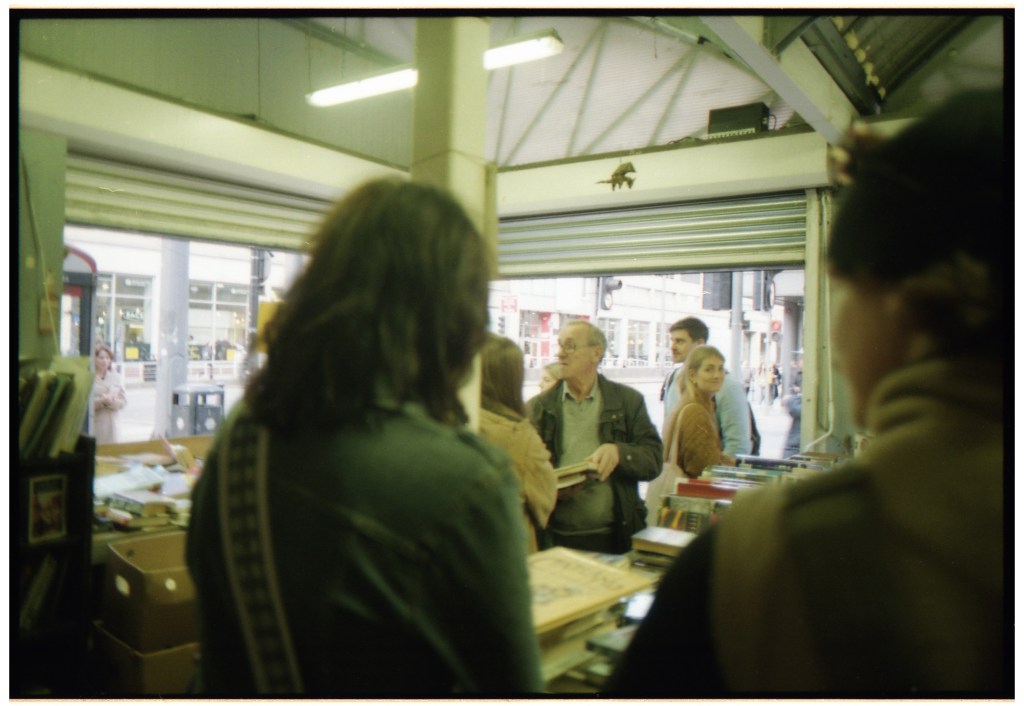
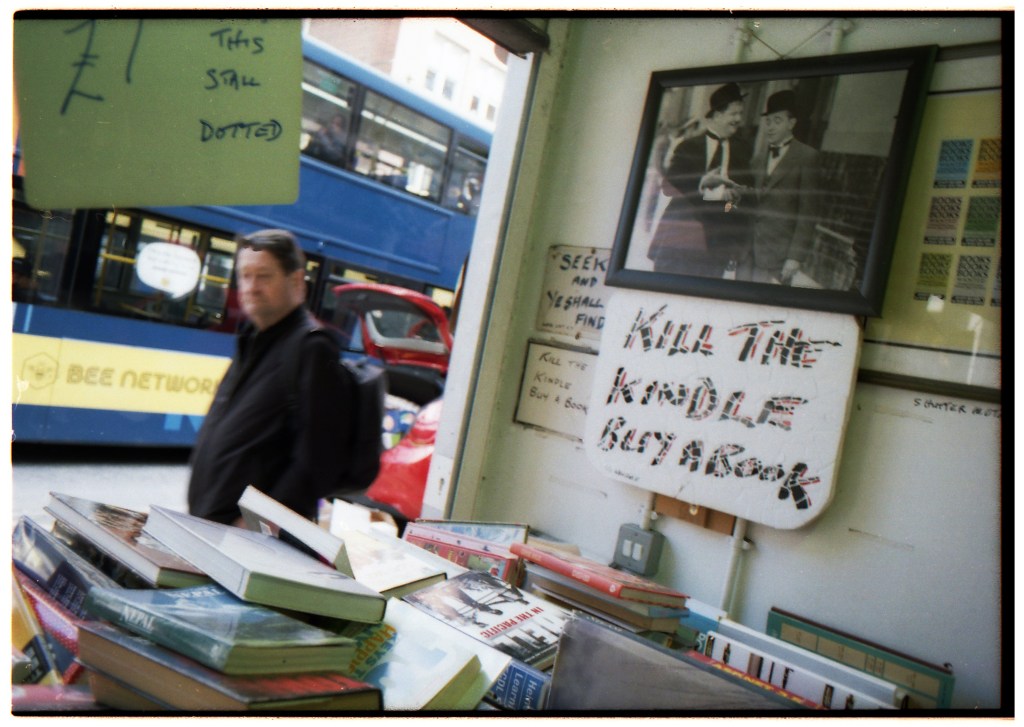
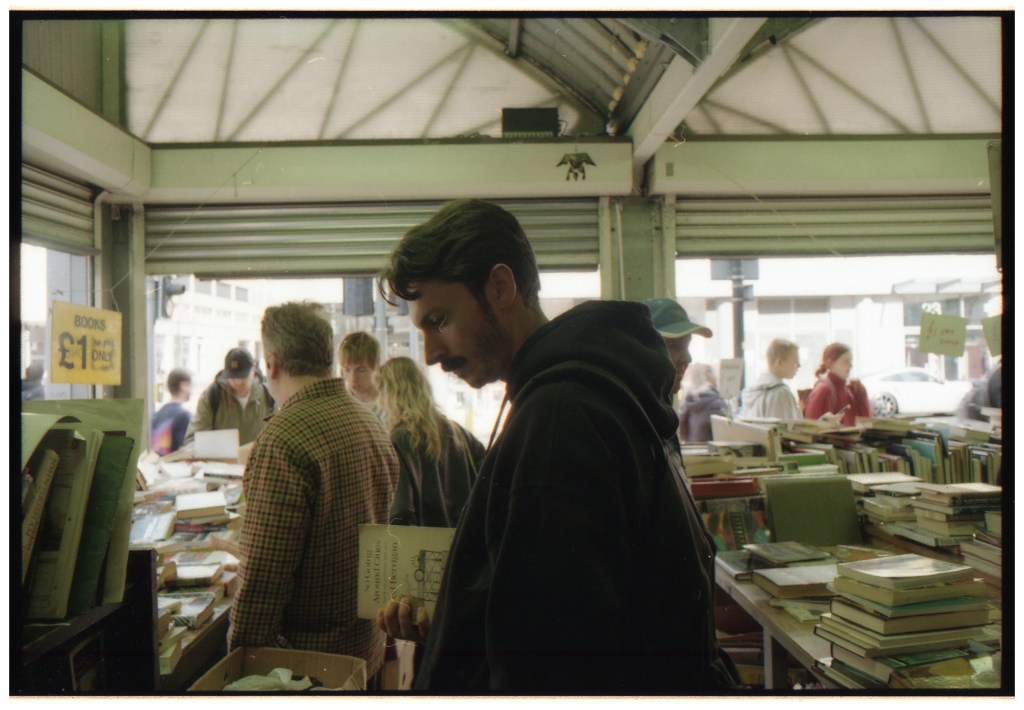
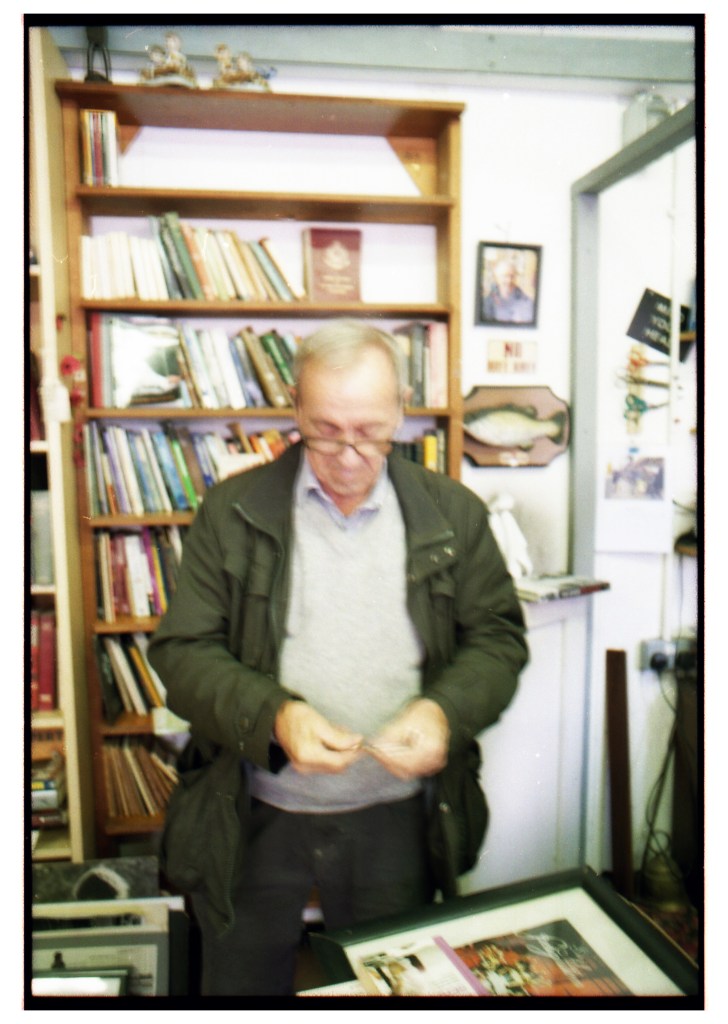
A few photos from the book stall on Church Street from a few week’s ago. Spent a lot of time lurking in here on my lunch breaks when I worked in town, but apparently after decades of trading it’s finally on the way out to make way for swanky flats. The cardboard boxes here have always contained serious gold, spanning right across the spectrum of high/low culture, from rare photobooks to football highlights videos, displayed with zero snootiness and sold with a true no-nonsense manner. I’ll miss the scent of cigar smoke and damp paperbacks down here.
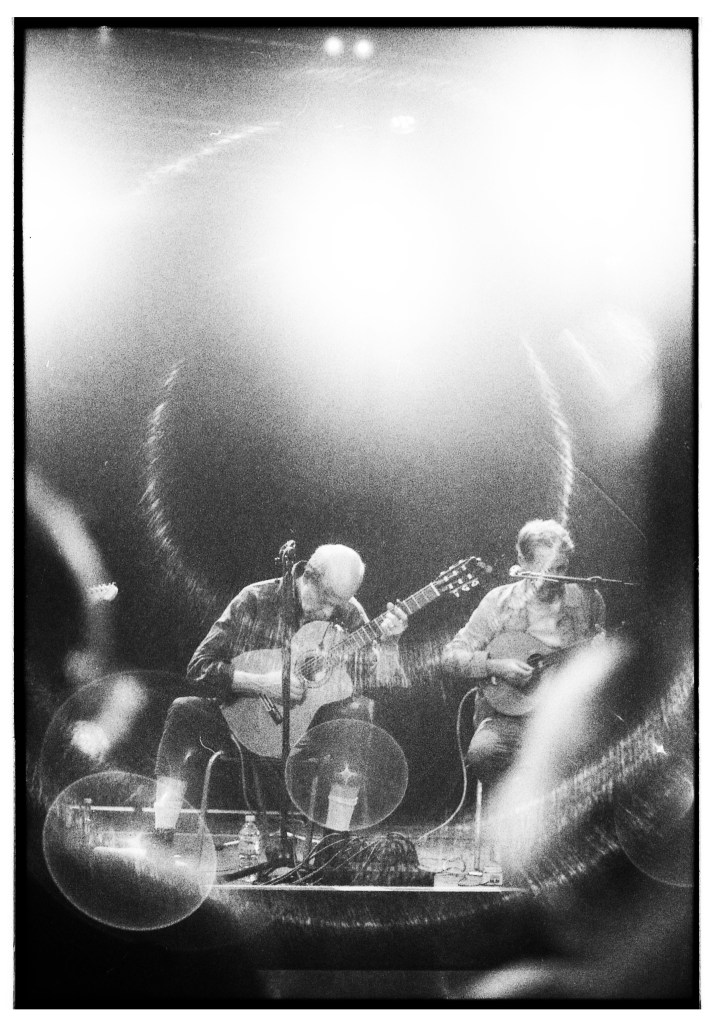
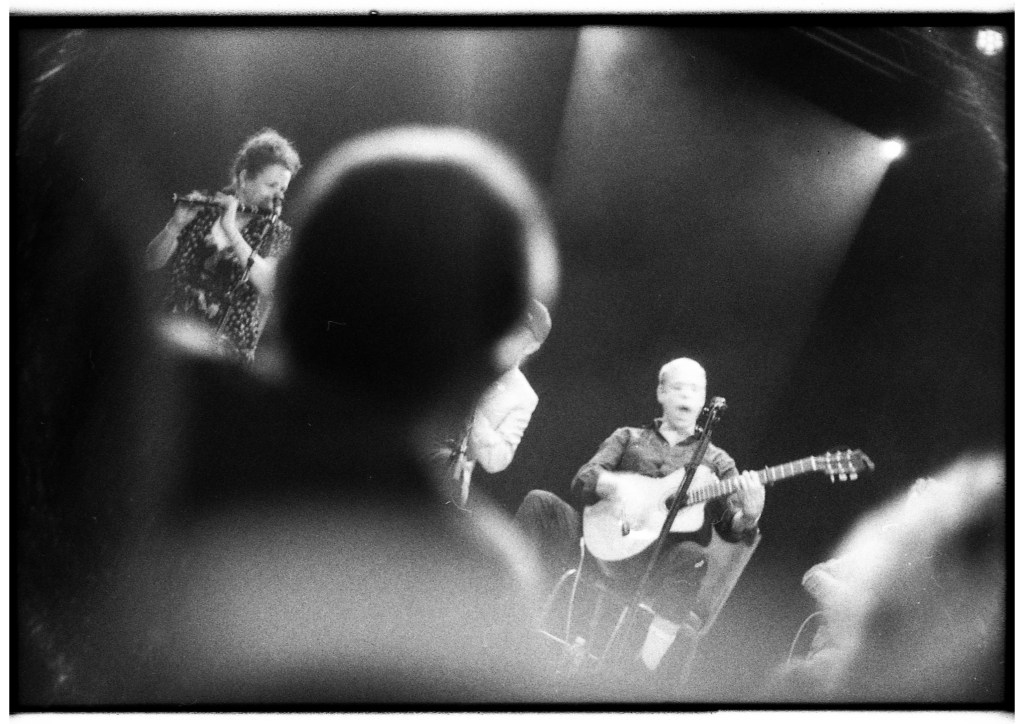
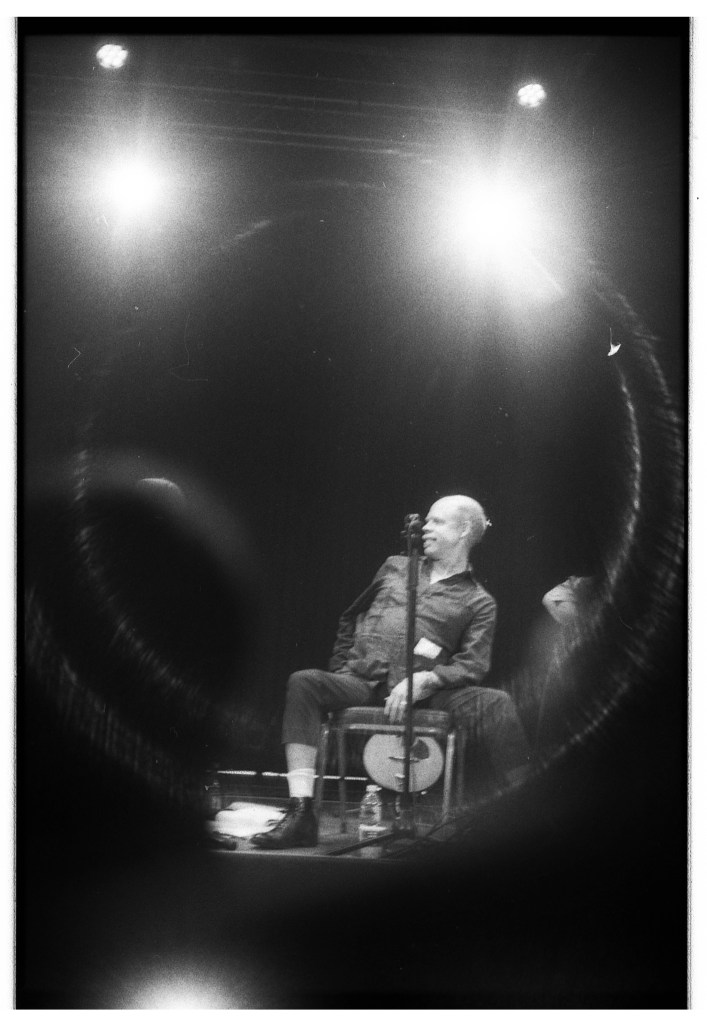
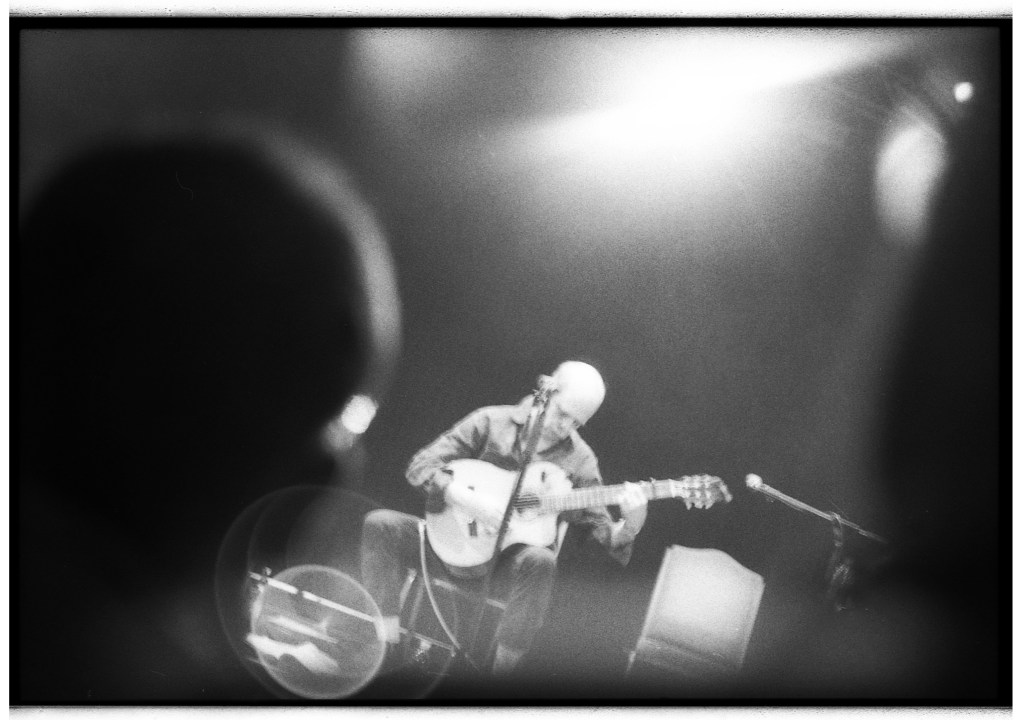
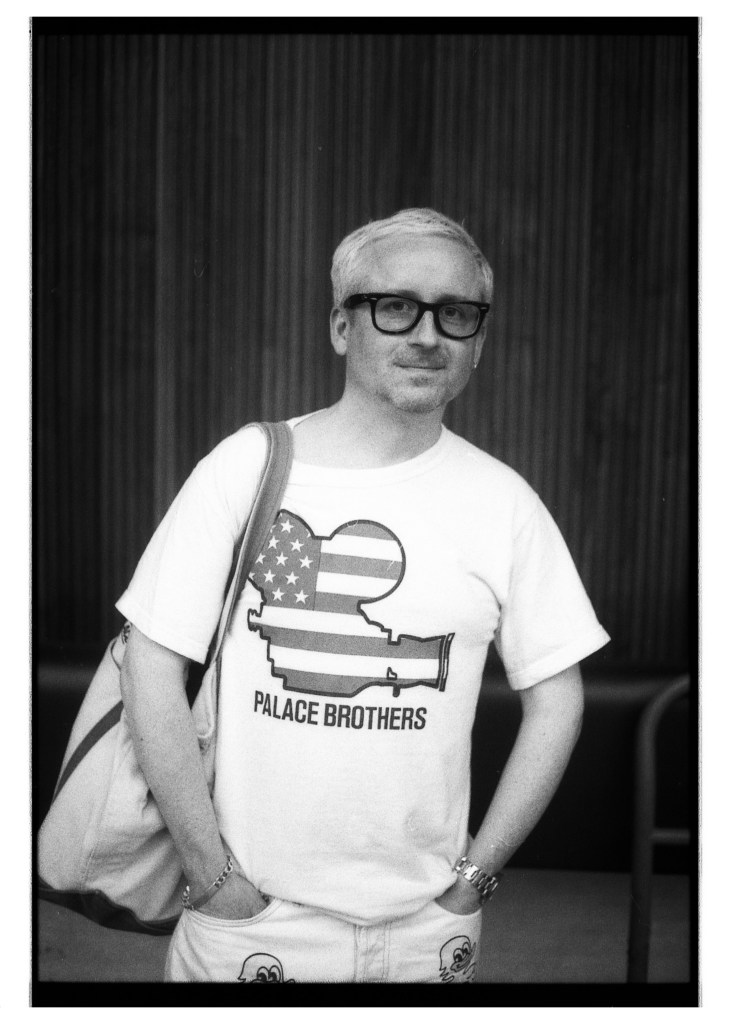
Will Oldham AKA Bonnie Prince Billy at the New Century Hall a few weeks back. Hard to keep up with this guy’s endless albums, but maybe that’s a good thing. Always cool when people just constantly put stuff out without being too precious. Those early Palace records in particularly feel like prime examples of documenting a moment, rather than endlessly faffing around for ‘perfection’. Respect also to that guy with the glasses from Hot Chip for having the best t-shirt of the night (not sure about his music though…).
Considering I was never in a band, ‘Band practice’ played quite a large part in my teenage years, and many summer nights were spent watching friends chug through endless covers of ‘Serve the Servants’ and ‘Cherub Rock’ in an old studio in the corner of Ulverston’s Ford Park. Chops would be cut, Cans would be supped, and occasionally the leathery-faced old cowboy who looked after the building would nod in approval.
Pretty Penny Slur—the new one from Mica Levi, Alpha Maid and Zach Toppin’s Spresso project—isn’t a hundred miles off the kind of honed slugging that I think my friends were gunning for. And that’s a good thing.
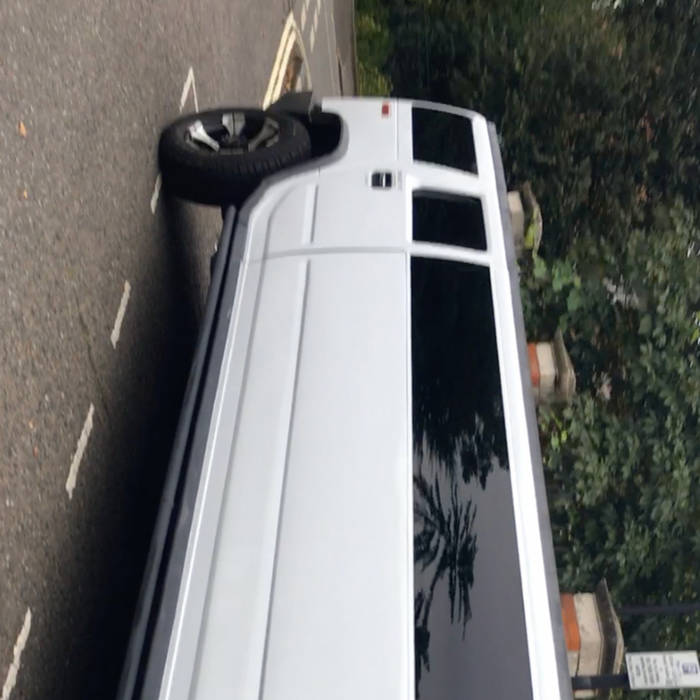
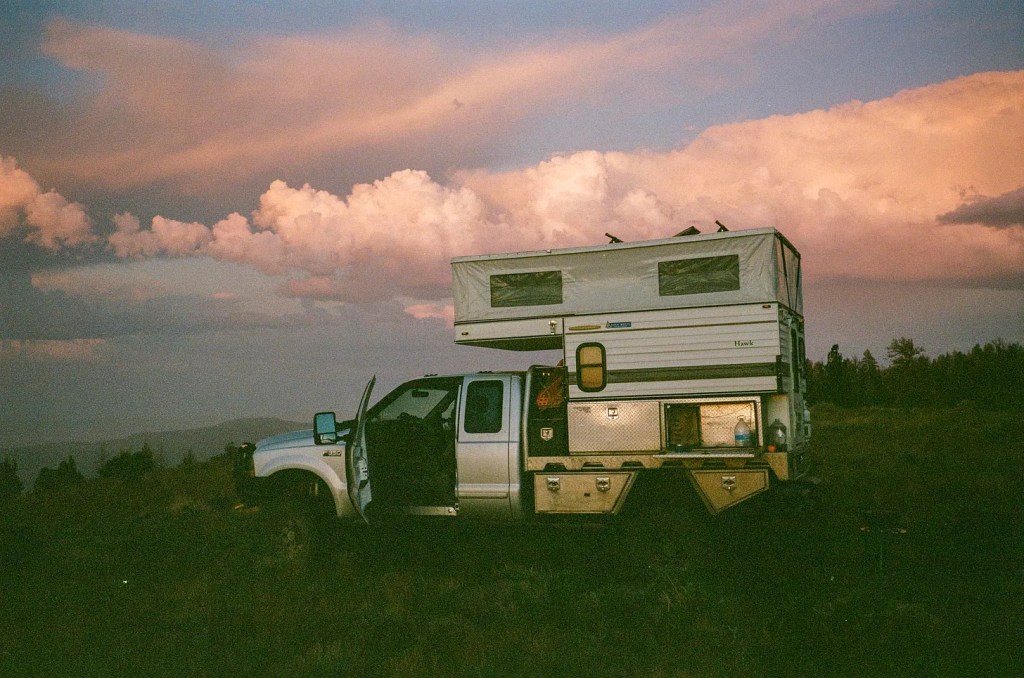
A few months back I interviewed van-man, VHS fan and tree-house mastermind Foster Huntington for the Outsiders website. Foster is a bonafide cool cat and definite free thinker, so we got onto some pretty interesting subjects. Also respect to Foster for his ‘COINTELPRO‘ bumper sticker.
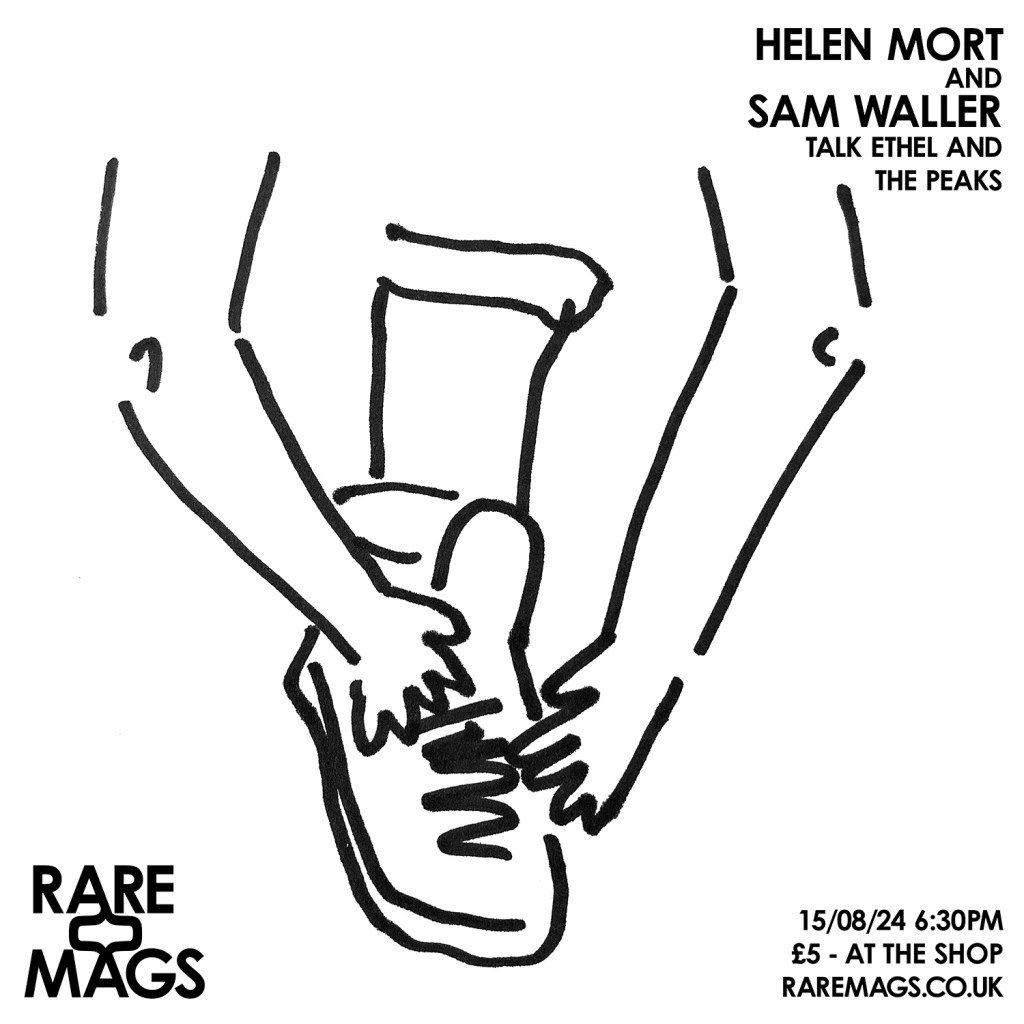
This Thursday I’ll be chatting to writer, climber and marathon runner Helen Mort about her recent book on the life of pioneering outdoor activist Ethel Haythornthwaite down at Rare Mags in Stockport.Come on down if you’re into long walks and the Peak District and that kind of thing…
After a decade without listening to music over headphones, I recently treated myself to a £25 iPod Shuffle from CEX. And jUST in time… this eight minute track from ex-Emeralds guitar mastermind Mark McQuire is just right for cueing up before riding my bike to the nearest swimming spot as the sun beats down on a rare bright summer’s day.
I’ve been subjected to my older brother Luke’s guitar twanging for not far off 30 years now. Sharing a room with him up until the age of 17 I had no other option but to endure hours of axe-based audio-onslaught as he evolved from Oasis covers to Janes Addiction and far beyond.
Glitch is his latest album. Recorded somewhere in Cumbria over the last couple of years, it’s nine tracks of layered guitar work and wide-eyed vocals that wouldn’t sound out of place on a late 80s Cherry Red cassette.
Slob Air is The new one from Mica Levi. One of those ‘not much happens, but enough happens to warrant it being 12 minutes long’ kind of tracks. Is this what music writers mean when they describe sounds as ‘sweeping’?
i WORK IN A BOOK SHOP IN sTOCKPORT A COUPLE OF DAYS A WEEK. eVERY ONCE IN A WHILE, WHILST WANDERING AROUND TOWN ON MY LUNCH, I LIKE TO WALK UP THE NARROW STREET TO aLL nIGHT flIGHT, THE EXeMPLaRY RECORD SHOP UP THE ROAD, AND ROLL THE DICE ON A TAPE TO LISTEN TO IN MY CAR. toDAY THE DICE LANDED ON AN OLD sst CASSETTE BY nEGATIVLAND.
this wasn’t a complete gamble, I know a little about Negativland and their legacy as audio agitators and original culture jammers, but still, I didn’t really know what the deal was with this tape apart from the fact that it was taken from an old radio show and the design on the case looked pretty cool. Having already agreed to pick up some old tables from a block of flats out in the industrial expanse of Carrington for my wife, this C60 tape seemed like it could come in handy.
Within minutes the stage was set. a man of the cloth by the name of Pastor Dick is trying to raise $180 in pledges to recoup some money that his secretary had nabbed from her purse. People phone in to confess sins. Snippets of sound blast by for a few seconds. Pastor Dick quickly becomes a drunken mess. This goes on for an hour.
In short, it was the Perfect soundtrack for circumnavigating the M60 ring road in torrential rain to go and procure a second-hand nest of tables for my wife with my fuel counter down to zero.
fairly confident I’ll never listen to this tape again, but it was certainly an enjoyable experience.
In the age of information, less is more. I know hardly anything about Gyeongsu, apart from the fact they’re probably French, but the complete lack of concrete info or awkward press shoots has only made them seem more appealing. It probably helps that the few bits and pieces they’ve put out over the last few years have been great—fresh and breezy, without wandering into lazy lo-fi territory (not that I’ve got a problem with lazy lo-fi stuff).
All to None is their latest release. Four tracks made in conjunction with someone called June who I also know nothing about. Hard copies out in September via Deardogs.
The French football team, 1998. Photo by stephane meunier.
The 35mm point and shoot camera is one of the world’s true wonders. They may not pack the features of their snootier SLR siblings, but when combined with decent film they can create photos just as potent. Here’s a quick brain offload on the subject, as well as a few good ones worth looking out for.
BUILT-IN FLASH — This is key. It’s pretty easy to get swept away buying some ye olde 1960s relic that would probably look nice on a shelf next to an old pair of binoculars and a miniature globe, but they often don’t have the luxury of a built-in flash, meaning they’re not ideal once the sun goes down. Look for the flash and you make things loads easier.
SIZE (OR LACK OF IT) — This is also key. You need something that will fit in a jacket pocket (and ideally a trouser pocket) easily. Anything that requires its own little bag is too big and should be avoided.
LOW PRICE — This is also key, too. Some of these cameras now go for ‘silly money’ on eBay, but unless you’re Henry Fontleroy-Mountbatten and have endless Scrooge McDuck style piles of cash, then spending anything over 60 quid on an old plastic point and shoot sort of defeats the object. These cameras need to be cheap so you’ve got no concerns about sticking them out of a car window in the rain or using them around potential light-fingered sketchoids. Also, these things always break eventually, so getting too precious about one is a waste of time.
Now that’s out the way, here are a few notable cameras…
1 – YASHICA T3/T4/T5
Maybe the ultimate pocket camera. These things used to go for peanuts, but thanks to a few high-brow fans, they’re now pretty pricey on eBay. That said, I paid a grand total of £5 for a T4 at a market stall a while back, so decent deals might still be found if you’re willing to lurk a bit. Anyway, these all have a crisp Zeiss lens, and some of them even have a little viewfinder on the top for Bart Simpson spy-cam action. Very cool.
2 – YASHICA MICROTEC AF
If you’re struggling to find a T4 for cheap, then these little doozies are most definitely worth a look. These don’t have the fancy Zeiss lenses of the T series, but unless you’re insane, you won’t be able to notice a difference in sharpness. I think the Yashica J-Mini is meant to be okay too, but I don’t think they’ve got the option of turning the flash on or off, which is quite a useful button.
3 – KONICA BIG MINI
These things are good. Dead small… swanky casing that feels expensive… no gimmicky features. I think Robert Frank used these a bit in his later life, but to be honest I’m not sure if that means much as I’m sure that guy could take a decent photo with a potato. I paid the equivalent of six quid for one in a charity shop in Denmark, and never looked back (until it inevitably smashed after years of service). A great camera. Pretty sure the Konica A4s are meant to be good too.
4 – OLYMPUS MJU
These are good cos they’re really smooth and small so they can fit in pockets easily. A lot of people seem to like the MJU II ones, but the regular MJUs are good too. Bit temperamental though… I’ve had loads and something always gives out on them eventually. Think that’s the nature of all these cameras though really… 80s/90s tech that gets thrown about with no care isn’t going to last forever… probably why spending too much money on one isn’t very sensible.
5 – MISCELLANEOUS PLASTIC PANORAMIC CAMERA
Bit of a curveball here, but if you see one of these doozies in a charity shop then you should most definitely take the punt. I think they were designed to offer a gimmicky version of a panoramic image, basically by cropping off the top and bottom of the film frame, but by gouging the plastic mask bit out the back with a screwdriver, you can create a wondrous little camera. With no batteries and no focus, these are pretty much the most basic cameras ever made, meaning that you don’t have to think at all when using them. They’re also really quiet, so you can snap away in people’s faces without them kicking off. I think I paid fifty pence for mine. A great investment.
According to a quick Google scour, a good portion of the internet is housed in a few unassuming grey buildings in a small town called Ashburn in the state of Virginia. If that’s really the case, then I can only imagine that a local construction firm has been working around the clock building an extension to one of these blocky data banks, frantically laying bricks—Yosser Hughes style—to house all the intense keyboard chat that has cropped up in the wake of Cindy Lee’s Diamond Jubilee.
Depending on which drawn out, over-thought article you read, this two hour long waltz through the last 60 or so years of North American music from Patrick Flegel’s Cindy Lee project—only hearable via a Geocities site or a Youtube link—is either the dawning of a new age of independent music, or just another subject of unwarranted hype.
But none of this is worth thinking about. Download the album from Pat’s site. Buy an old iPod for £25. Get some headphones. Take a walk. Put this song on. Wait patiently ’til a minute and 44 seconds in…
Every subculture starts somewhere. For mountain biking, its origins lie in the hills of Marin County, over the Golden Gate bridge from San Francisco, back in the mid 70s—when a gang of free-thinking cyclists took their old town bikes off-piste and started bombing down a ruthless fireroad known locally as ‘Repack’.
Although others had taken bikes off the beaten path before (the art of ‘pass hunting’—conquering mountain passes in a hike-a-bike style—had a niche following in France by the early 70s, and in Britain the brave members of the Rough Stuff Fellowship had been rattling around since the 50s), it’s probably fair to say that it was the Marin riders who transformed off-road cycling from a niche subculture into a worldwide fat-tyred phenomenon.
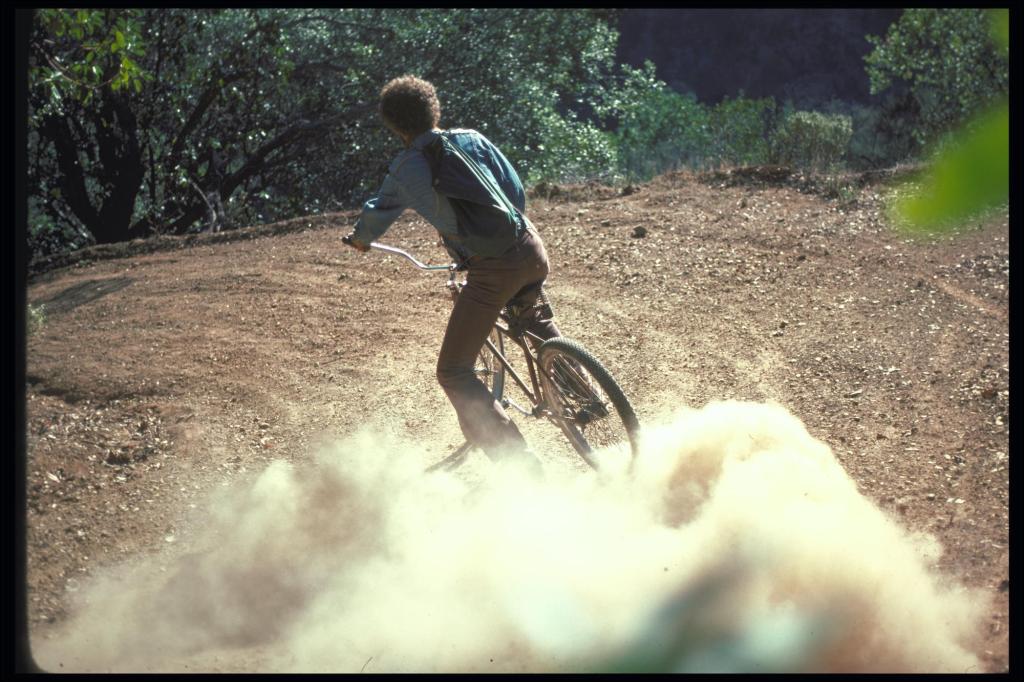
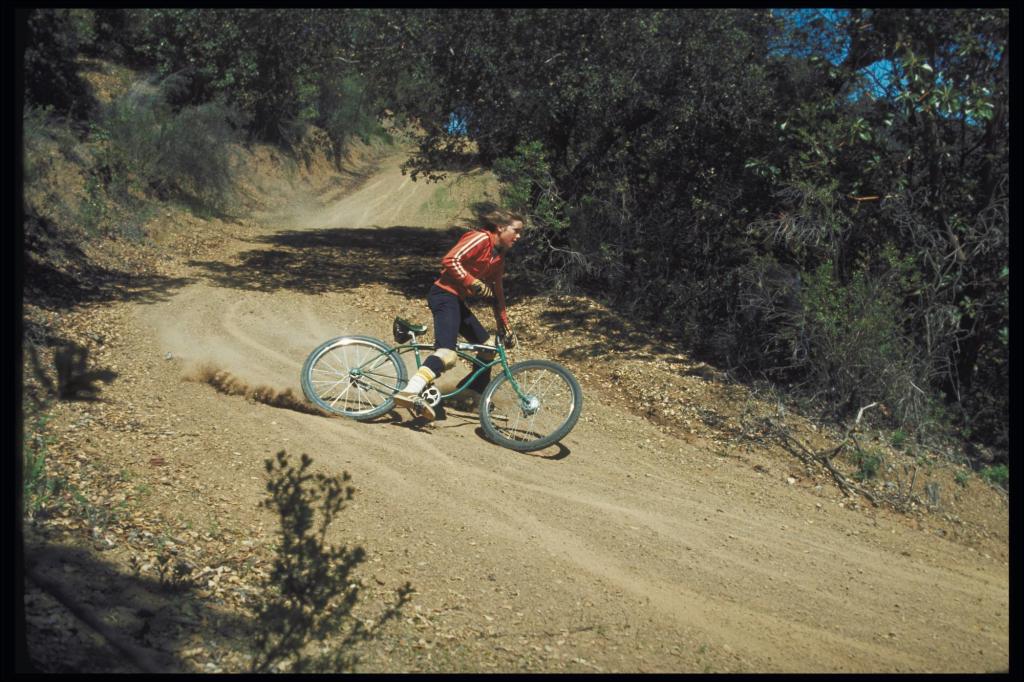
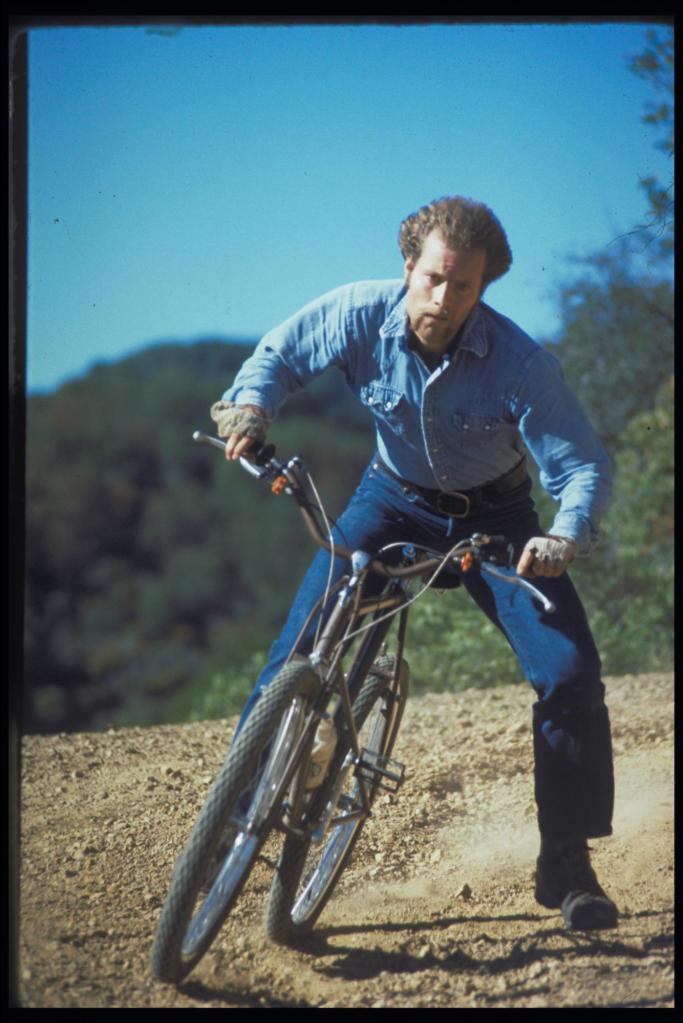
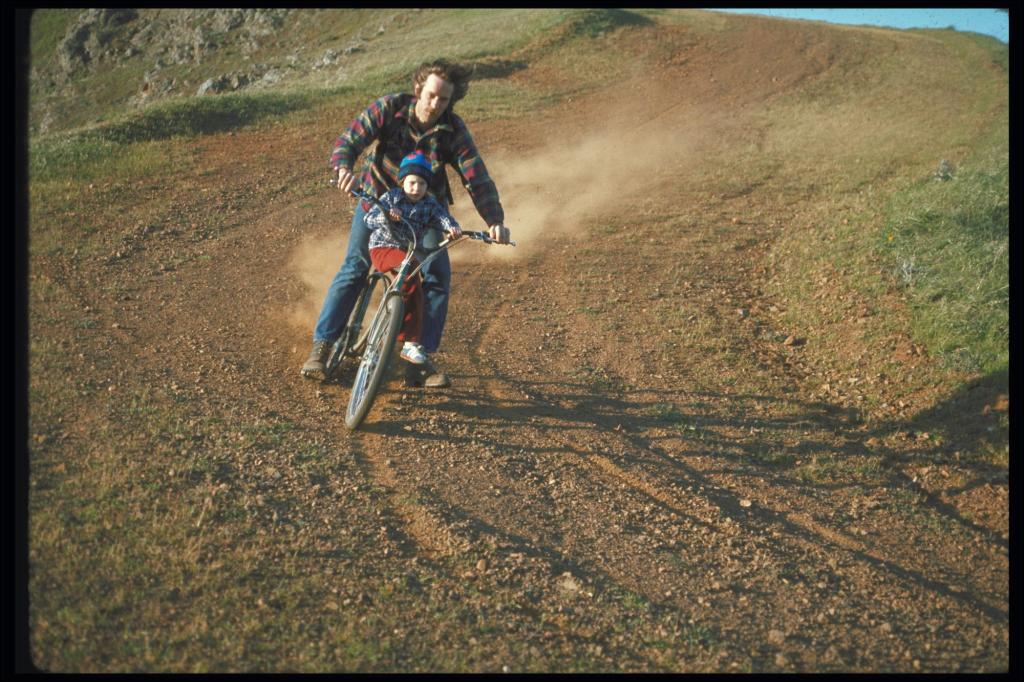
Rather than just struggling along with touring bikes, these long-haired two-wheeled pioneers sought out a different method—first opting for pre-WW2 Schwinn Excelsior cruisers (known as ballooners or klunkers), before eventually honing their own purpose-built bikes, complete with lightweight chro-moly steel tubing, riser bars and chunky tyres. What’s more, they rode with style—and like the Stonemasters in Yosemite 200 miles east, they dressed more like Grateful Dead roadies than explorers or athletes.
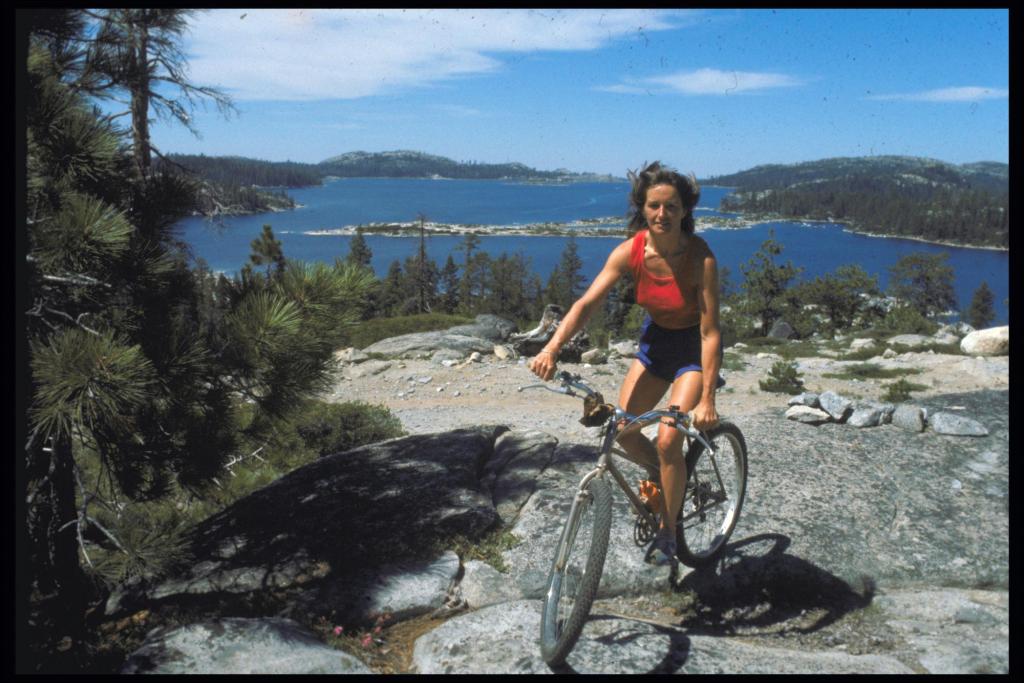
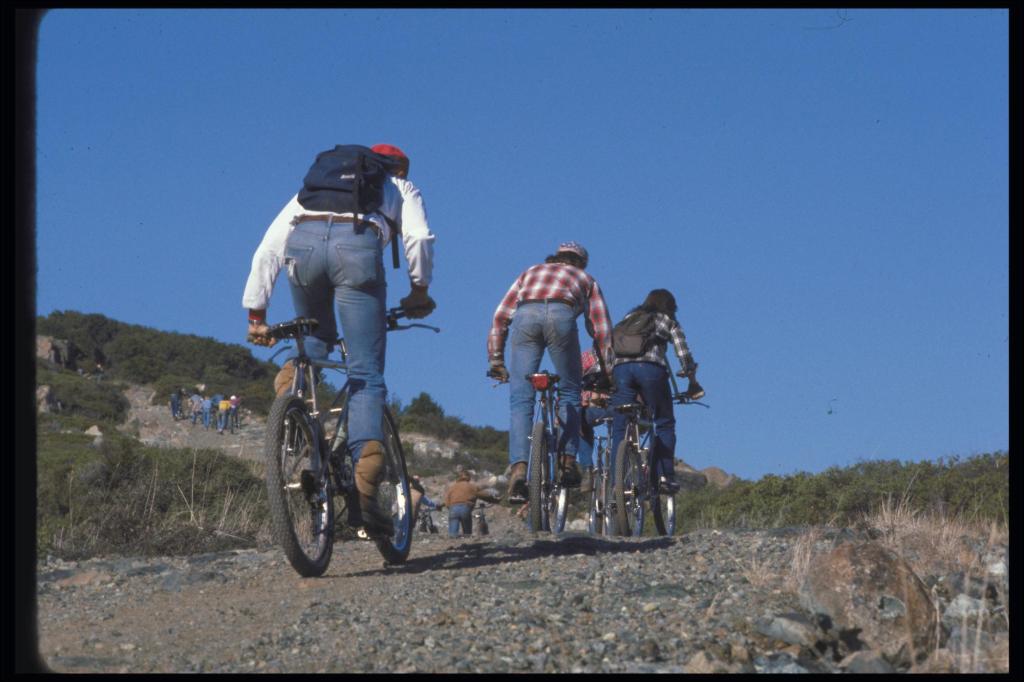
Wende Cragg was there to document it all—and whilst the birth of most movements is often captured in an amateur, snapshot manner, her full-colour images had the bright colours and clever compositions you’d expect from a prime-era National Geographic article.A rider herself, her photos showed not just the foot-out downhill action, but also the quieter moments on the mountain—giving a 35mm window into a two-wheeled world long before dropper seatposts and bike resort season passes.
Now working as a textile artist—she still rides today, and when she’s not in the mountains she finds time to catalogue her images for a project known as the Rolling Dinosaur Archive. Here’s an interview with her about photography, bikes, California, wildflowers and food…
Starting right back at the beginning, what came first—photography, or cycling?
I’d been riding about a year or so before I bought my own camera. My ex-husband, Larry, and I had been sharing the same Nikkormat. As a textile artist, I wanted to document my work. I purchased a new camera in the Fall of 1976 and we shared and swapped our collective lenses, including a macro lens, which was utilized in wildflower photography as well as detail shots of my fabric art.
When did you get involved with the activity that became known as ‘mountain biking’?
My first ride occurred on a hot August day, 1975. It did not go well and my initial ride was not pleasant. My first klunker weighed in at 56lbs, and was nearly half my body weight, so an obvious disadvantage. After a few rough gos, I finally adapted to the idea and the rest is history.
When did you realise that what you and your friends were doing was something new?
There were just a handful of us, we could have been counted on two hands. Word spread slowly, like osmosis. Converts were rare but those who embraced it, did so readily. We were somewhat hesitant to spread the word for fear of the inevitable ‘one bad apple’. There was a lot of interest in this novelty, especially among established road riders who already had a relationship with cycling, but the concept was viewed with a skewed eye.
Gradually, it became obvious we’d stumbled upon something magical. Gary Fisher said it best, “We shared the most marvelous secret.”
Maybe a tough question, but why Marin County? What was it about that place at that time that made the perfect petri dish for this new subculture?
The S.F/Bay Area has always been a special place, not just scenically, but in terms of talented individuals who think outside the box. The subculture consisted of really talented individuals who liked to tinker. They were artisans in their own right, always perfecting, tweaking an idea. Marin County is a wealthy county—we are rich in culture, the arts and charismatic characters. A crazy quilt of nonconformists, outlaws and rebels. A real, imagined concept was oftentimes taken to different levels by way of trial and error. These ‘test’-osterone pilots were driven by necessity and a desire to outperform their competition.
Whilst off-road cycling had been going on before what you and your friends were doing—what set your group apart?
We really were just a group of longhairs with time and talent to spare. We juggled jobs, relationships and responsibilities with an eye on the ride. Some of the guys were already seasoned roadies and members of a local bike club, Velo Club Tam (as was I, later) so daily training rides were usually on their agenda. A love of cycling, easy access to gorgeous locales and a flexible schedule allowed us the freedom to explore our surroundings.
When did you first start documenting the bike rides? Were you conscious that the photos were something that 50 years later people would find important?
Originally, the camera was taken on rides to shoot wildflowers and mushrooms that we discovered. It was total happenstance that I turned the lens on the folks I was riding with. It certainly never occurred to me that someone might find them of interest nearly 50 years after the fact but I’m thrilled!
What did you do with the photos back then? Were they published at the time, or were they just for your friends to look at?
Initially, the idea was to share among friends but as interest grew, so did the range of media curiosity. It was a few years before the general public took note but a couple of cycling mags and publications were attracted to this new cycling phenom… klunking.
Charlie Kelly had written a couple of articles by then and needed images to accompany the text. It was a symbiotic relationship that furthered the advancement of what Charlie declared ‘The Smallest Sport in the World’.
At that time it’s not like people had really photographed mountain biking before.What were you looking at for inspiration?
As an artist, I tend to view the most commonplace things as artistically appealing. I was more focused on candid, intimate captures of the people and places rather than the action aspect of the sport—the downhill racing—although the Repack races were a focal point for the motley convergence of many like-minded devotees.
What was your standard camera set-up back then? I imagine trekking into the hills keeping your equipment fairly light would have been relatively important.
Weight was definitely a consideration. However, my camera was a hefty addition to an already cumbersome circumstance, the heavy bike. In addition, I usually packed along an extra lens, film, a mini tripod and oftentimes, my wildflower guide books! So, most likely about another five extra pounds.
Haha—you weren’t exactly travelling light then. You raced in the infamous Repack downhill events. Can you give a bit of an explanation of what that was like?
Terrifying! It’s a very challenging course, rocky and rutted. I raced the first few races and hold the record for fastest woman (5:29), but I never felt entirely comfortable hitting those speeds without a feeling of impending doom. I wiped out after my third attempt and decided then to retire from further Repack competition. My ex-husband Larry and I photographed every event except the very first, which we both raced.
When you weren’t racing Repack, what was an average ride like?
An “average” ride was usually an out-and-back or a loop. We had so many routes and we catered to the weather at hand. In the heat of the summer, we’d head to the coast for its cool temps and stunning ocean views. Springtime was especially nice, wildflowers a’bloom and hills green. We generally liked to include a climb of some sort. A workout was always to be had, considering we pushed uphill a lot of the time!
Whereas a sports photographer would have just shot the riding, you documented it all—from the people to the bikes. Was it a conscious thing to try and show the life around the bikes, and not just the riding?
It may have been that I was just enjoying my new toy—my camera—and clicking away as I went. We had lots of opportunities for relaxed, intimate shots taken before, during and after rides. There was never a shortage of colorful visuals, we were an interesting mix of individuals, bikes, dogs, kids and amazing scenery.
What else was going on around the riding? What music did people listen to? What food did people eat?
Oh boy, that question would fill a book! We were in a national gas crisis at the time. The state of California was experiencing the beginning of a severe drought. Locally, here in Marin County, a serial murderer—the Trailside Killer—threatened our idyllic outdoor experience and severely limited our sense of tranquility in the woods!
Our taste in music and food was eclectic. We enjoyed a wide range of music—mostly rock—but esoteric stuff also made our playlist, like Django Reinhardt and Hoagy Carmichael. There was a plethora of musical talent in the Bay Area and live performances were a big draw. My ex was an exceptional instrumentalist and played frequently in local venues.
We rode to eat and ate to ride. We celebrated food and drink as often as possible, we didn’t need an excuse to indulge. We rode hard and rewarded ourselves with many feasts: barbequed oysters, prime rib, grilled chicken. Simple, fresh but hearty, worthy of a well-earned appetite. During rides when we were out exploring for hours, we’d pack sourdough bread, cheese, salami and oranges.
We sometimes foraged wild edibles on our rides: chantarelle mushrooms, watercress and huckleberries. These goodies would make their way into our prepared dishes, the warm huckleberry pie was to die for. Homemade ice cream was a real fave too, we’d take turns churning the delicious concoction. I love to bake and relished the opportunities to share.
You’ve got some photos in the recent Rough Stuff Guide book – and there’s an old article printed in the back of the book about a link up between some Rough Stuff Fellowship members and a group of Marin riders. Were you conscious of the off-road cycling going on in other places around the world?
We began to get an inkling of an international interest in klunking a few years after we’d seen it begin to spread in the States, probably late ‘70’s. I recall a crew from the UK, visiting then, most likely generated by one of Charlie’s articles. They did a photo shoot. I recall they were stoked!
In photos of other off-road cycling at this time in places like Japan or England, people are dressed like old-fashioned explorers, whilst the Repack riders looked more like they’d walked out of a band practice. How important was the Californian counterculture of the era in all this?
Let’s face it, we were just colorful, free-range hippies with no restrictions. Apparel was practical and low-key. Our uniform of choice was denim and plaid. Steel toed boots were our only “protection”. No helmets. Head gear was optional and usually worn as sun shade or a fashion accessory. Dressing in layers was generally done for inclement weather although we do get a lot of fog here, which presents a similar issue. Warm weather usually found us in shorts, tees and tennies…
A classic outfit. Even now the bike world can sometimes be guilty of being a bit of a boy’s club—how was it for you being the girl of the group?
I grew up the middle child in a family with eight kids, four boys and four girls. I gravitated towards my brothers’ wild, adventurous sense of play: building forts and treehouses, riding bikes, scooters, roller skates and skateboards. I liked activities that revolved around a tiny element of danger and adrenaline. I would have been described as a ‘tomboy’.
My integration into the world of klunking seemed a natural progression. I was accepted by all the guys, treated with respect and coached along the way. They supported and encouraged all my efforts and appreciated my tenacity. I may have been the last to reach the peak but I always made it.
What was going on in Crested Butte, Colorado? I’ve read somewhere that there was another scene of riders there in the 70s. How did they compare to your crew?
We didn’t know what we’d find on our first venture to Crested Butte in 1978. Their train of thought was in alignment with ours: venturing into the great outdoors via their own pedal power. Technology was a little underwhelming, but their passion was evident. They were definitely onboard for the ride and good sports, and we immediately identified with them—renegades like us! We’ve made many lifetime friendships with some of the Butte folk. Several of them, Kay & Don, started the original mountain bike museum, which eventually moved to Marin County.
What was the point when you realised mountain biking was spreading out beyond your little group?
I’d say it was the early 80’s when I first took note of its fast-growing popularity. Obviously places like Crested Butte had witnessed an influx of devotees. The annual Tour of Pearl Pass was growing exponentially each year and drawing a larger and farther-ranging audience.
The first production bikes were being manufactured and sold nationwide, appealing to the general public. Now more people could afford what once was considered a very esoteric bike. Specialized Bikes was making a name for itself. Component manufacturers were marketing to a newly developed mountain bike niche, word was spreading by word of mouth.
You’ve spent a while archiving your photos over the last few years—did you notice anything new in the photos that you maybe hadn’t thought about when you were first taking them?
Oh yes, I’ve unearthed a few gems that might be worthy of review. As we age, our “elders/founding fathers” are falling victim to that strange phenom—death—so I think it’s vital that their story be told. The images help tell the tale. And they don’t lie… the reality is recorded on film for all to see and cannot be disputed.
Looking back at all this now, do you have a favourite memory from that time?
Some of my favorite memories were moonlight rides, although my all-time fave took place as a moonlight/sunrise ride. We attacked the climb in the early hours of the morn and reached the peak as the sun rose. We enjoyed hot coffee and fresh donuts; a treat packed for our surprise reward for having reached the summit.
Sounds ideal. What are your thoughts on mountain biking today—the bikes are maybe a little more suited for the job, but does so much equipment and technology sometimes get in the way?
Oh God, I cannot relate to today’s bikes, they’re so radically different from what we rode. I never really paid much attention to the gradual technology, but it feels like I blinked and everything changed. The advancements seem light years away from the basic, homespun contraptions we hobbled together from random parts. Everything is state of the art, high tech and expensive!
I value the extra effort exerted to get our old machines up those gnarly, dirt roads. We just didn’t have the gears for climbing but we were determined anyway. There was an exceptional feeling of ‘can-do’ once we achieved our goal, and a shared joy of overcoming the pain!
That makes sense—it feels like recently there’s maybe been a resurgence of people riding things more in line with what you were riding back then—probably for the same reasons you mentioned. What bike do you ride now? Do you still get out into the mountains?
My custom Breezer from 1986 is my main ride. I was gifted a Breezer SuperCell several years ago but I still have issues adapting to the new technology. I have to admit, I haven’t been out on the bike in a while but I do hike every day, religiously. I live right next to open space and have full access to all the trails, many of which are used by mountain bikers. It’s encouraging and heartening to see so many people on bikes now, especially if it’s women and kids. I really like the aspect of uniting youngsters and parents—it’s a healthy pastime for the whole family. What an invention this turned out to be—a profound and powerful tool that has the potential to change the world.
Definitely. Rounding things off, what is it about the bicycle that is so special? People are really passionate about bikes—me included—why do you think these metal objects are so well loved?
Easy! A return to childhood innocence, a sense of freedom, independence and empowerment. Wind at your back, a feeling of flying, and most importantly, the sheer fun of it. It’s a wonderful vehicle for reflection and self-awareness, a powerful tool for mental health and a great workout. It transforms one to a higher place, physically, emotionally and spiritually. I was privy to a time and place that cannot be replicated, my life was changed forever when I met the mountain bike. And what a life it’s been!
Here’s an old interview with Phil Wolstenholme—the man behind those now-classic 3d renderings which adorned the early Warp Records compilations.
I suppose the main thing I wanted to ask you about were the record covers you designed for Warp in the early nineties. How did these come about?
I’d been producing a few covers for names like 808 State and Pop Will Eat Itself (via Designers Republic), using the Commodore Amiga. Being based in Sheffield I knew Warp were looking for interesting cover art, so I introduced myself to Rob and Steve, and rather cheekily asked them to advance me some cash to buy some new equipment and software in return for three new sleeve designs. Surprisingly, and rather bravely, they agreed.
Were you into electronic music or was it just another job?
I was into a large variety of music as well as electronica, and was well aware that the fledgling world of CGI would blend seamlessly with a lot of modern music being made at the time. So it definitely wasn’t just another job — this was about creating a new genre.
Other forms of important musical development, like psychedelia, punk and Two Tone all had accompanying visual forms that moved forward with the music, and indeed often heavily influenced the music.
Electronic music goes hand in hand with computer graphics. Why do you think this is?
The sudden availability of enterprise technologies, and creative people (mainly working in industrial cities) on the make were the primary driving forces behind much of these new forms of music and art. It wasn’t surprising that the two forms would combine.
Nearly everything at the time was created on Atari or Amiga platforms, and though low-res by today’s standards, both platforms set a standard for accessibility against price that was hard to beat. Original Atari STs are still being used to create music, even now.
I’m not going to pretend I know anything about computer graphics. How did you go about making those images?
Much 2D source material was produced via video-capture, either from tape or camera. Flatbed desktop scanners weren’t really available at the time, so everything had to either be created in paint programs or input for image-processing via video-capture. I had a B/W video camera on a stand with a 3-colored filter wheel for exposures! Then the early 3D packages appeared, and finally solid objects could be created and even rudimentary ray-tracing could be utilised to output ‘realistic’ images. This was a very exciting development for someone working at home on a low budget.
How long did making something like that take?
All the sleeve images I created for Warp with 3D elements would take several days to create on the Amiga. The computer was relatively slow and the software was quite simple, so everything would take a lot of planning and deliberation before committing the machine to a two-day render to create the final output image. Mistakes could be very time consuming!
What sort of software were you using?
Deluxe Paint and Digi Paint for 2D paint work, and a package called The Art Department for image-processing. For 3D work, the first program available really was called Sculpt 3D. Eventually I moved onto a program called Imagine, which finally allowed features like texture-mapping, which is when things got really interesting. That program was behind most of the 3-dimensional sleeve designs I produced for Warp, and others.
Which is your favourite of the covers you designed?
I don’t really have one. They’re all of their time, and are as inspirational (and as dated!) as that time would allow. The most amusing, and probably most important, was the first Artificial Intelligence compilation. It was amusing in the sense that we got to deflate some of the already-building pomposity of the electro-scene with the use of classic 70’s stoner albums and the king-sized skins. It was also amusing in the fact that it was immediately copied, and I remember a German techno compilation rush-released with a sleeve with another robot guy smoking a spliff on it, which was an odd situation to be in. It got passed around the Warp shop to howls of laughter.
But overall, it made an important difference to the way the music was treated from then on — more seriously from a musical standpoint, but hopefully less seriously from a cultural standpoint. Sheffield (and indeed Warp), was never a po-faced, over-serious place to work within, and it still isn’t.
Computers have got a bit more advanced these days. Do you think computer graphics have lost their charm now that they’re so perfect?
I don’t think they’ve lost their charm so much as their ability to astonish, and paradoxically, with more realistic imagery, the dramatic effect is often lessened. Personally, the effort involved in creating the objects and worlds in order to make up the images could make spontaneous work very difficult, and I always had to find a balance between simplicity for technical reasons (memory, render-times), and complexity for realism and believability.
The last few images I produced for commercial use, like The Lovers café, or the factory scene for The Beat Is The Law took a very long time to do, as I was using HDR lighting and radiosity rendering, and whilst incredibly ‘realistic’, were still as time-consuming to do on a high-powered PC as they were on an Amiga 20 years before! So I’ve pretty given up on 3D modelling now.
Interview originally published in 2014 on the Oi Polloi blog.

















 Roman Candle Magazine